2026 Best Wet Grinding Ball Mill Options for Global Buyers?
In the evolving landscape of industrial machinery, the "Wet Grinding Ball Mill" has emerged as a focal point for buyers seeking effective milling solutions. According to a recent report by ResearchAndMarkets, the global wet grinding mill market is projected to witness a compound annual growth rate (CAGR) of 4.5% from 2022 to 2027. This trend highlights the increasing demand for efficient grinding technologies across various sectors, including mining and construction.
Industry expert Dr. Emily Santos, a recognized consultant in milling technology, emphasizes, "The efficiency of a wet grinding ball mill significantly impacts production rates in mineral processing." Her insights underline the critical role these mills play in enhancing operational efficiency. However, choosing the right wet grinding ball mill remains challenging due to the diversity of available options. Buyers often struggle with varying capacities, materials, and operational costs.
As the market continues to grow, it's crucial for buyers to evaluate their specific needs and the potential trade-offs associated with each option. While wet grinding ball mills offer numerous advantages, such as finer particle sizes and reduced energy consumption, not all choices guarantee optimal outcomes. This complexity necessitates a deeper understanding of the technology to ensure informed purchasing decisions.
Overview of Wet Grinding Ball Mills and Their Applications
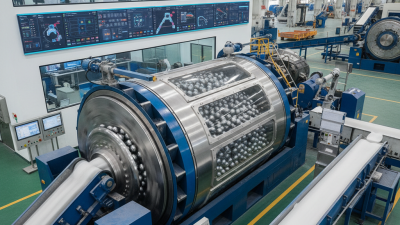
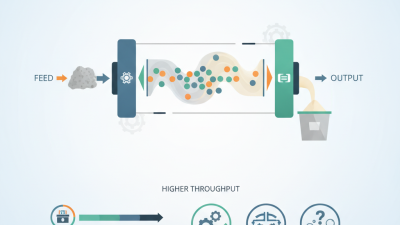
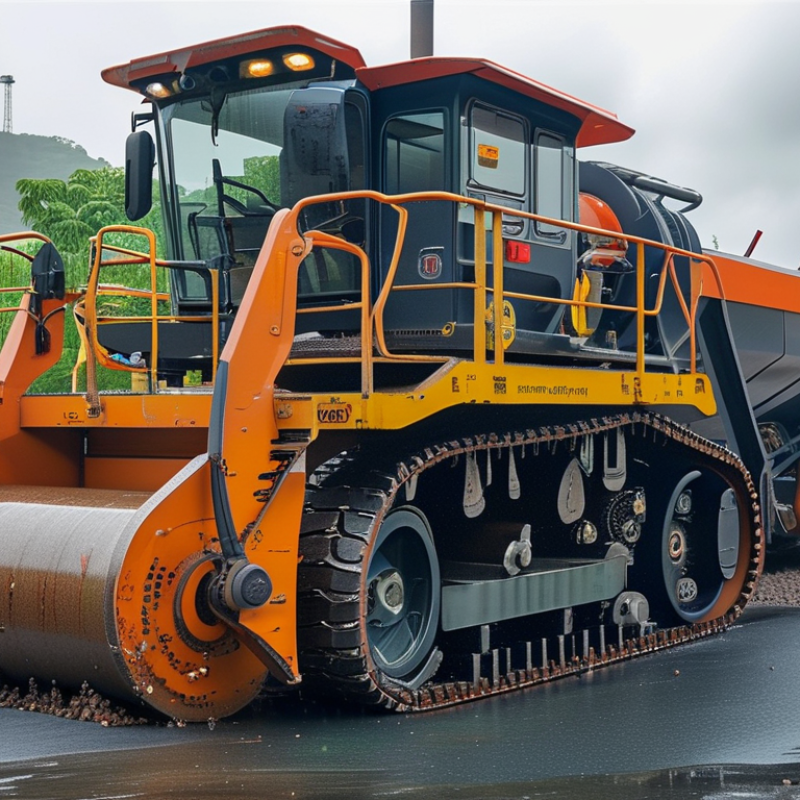
Wet grinding ball mills are crucial in various industries. They excel in processing materials such as minerals, ores, and chemicals. These mills use water or other liquids to create a slurry that aids in particle size reduction. The lubrication provided by the liquid helps prevent overheating and improves the efficiency of the milling process.
In applications like mineral processing, wet grinding ensures optimal extraction of valuable materials. The finer product leads to better recovery rates during downstream processing. Furthermore, industries like ceramics and paints also benefit from wet grinding. It allows for uniform particle distribution, which is essential for product consistency and quality.
Despite their advantages, wet grinding ball mills can pose challenges. For instance, the maintenance of these machines can be demanding. Regular inspections are necessary to address wear and tear. Operability may also be affected by variations in material properties or liquid ratios. Users must remain vigilant and adaptable to ensure successful operations.
Key Features to Consider When Choosing a Wet Grinding Ball Mill
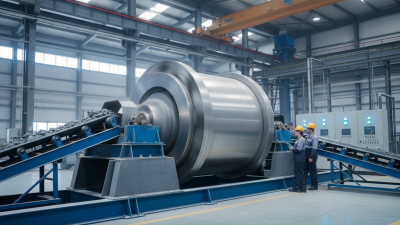
When selecting a wet grinding ball mill, it's essential to focus on key features that can enhance your efficiency. One of the first aspects to assess is the size and capacity of the mill. Larger mills can handle greater volumes and are often more efficient for substantial production needs. However, smaller models offer flexibility for varying batch sizes. The choice largely depends on your specific operational requirements.
Another critical feature is the material of the mill. Different materials can influence the grinding process and the wear rate. Steel and ceramic are popular options, each with its separate advantages and considerations. It's crucial to weigh these options against your material compatibility and desired outcomes. Additionally, the internal design of the mill plays a pivotal role in the grinding efficiency. Designs with specific liner configurations can aid in achieving more uniform particle sizes.
Consider also the efficiency of the motor and the energy consumption rates. An energy-efficient model may reduce operational costs but might require a higher initial investment. Take time to reflect on your immediate and long-term needs, as this will help in making an informed decision. Sometimes, perfect alignment between features and requirements is challenging to achieve, yet this is a critical aspect of optimizing your grinding operations.
Top Brands and Manufacturers in the Wet Grinding Ball Mill Market
When considering wet grinding ball mills, it's essential to examine the leading brands and manufacturers in this market. These entities are known for their advanced technology and reliability. Their designs focus on efficiency and performance, ensuring an optimal grinding process. Each brand has unique features that cater to different industrial needs.
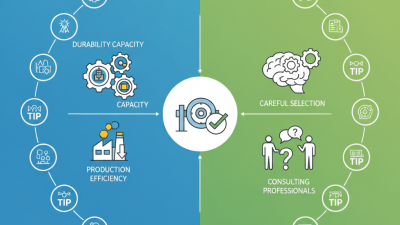
Some manufacturers prioritize energy efficiency. Others emphasize robustness and durability. The choice often comes down to specific operational requirements. A reliable brand can significantly impact production costs and product quality. However, there are inconsistencies among offerings. Some customers report varying levels of service and support, highlighting the need for careful consideration before purchasing.
Due diligence is vital. Researching user experiences provides insights into performance. Engaging with industry experts can enhance understanding. While many brands have solid reputations, not all live up to expectations. Balancing cost and quality is crucial. Make sure to review multiple options and gather feedback on their effectiveness.
Comparative Analysis of Pricing for Wet Grinding Ball Mill Options
In the competitive landscape of wet grinding ball mills, pricing varies significantly. According to industry reports, the average price ranges from $20,000 to $100,000. This wide array reflects differences in capacity, materials, and technology. Smaller mills cost less, while advanced, high-capacity models command higher prices. Recent data suggests that high-efficiency models may reduce operational costs, making them a long-term investment.
Among the options available, there are several factors influencing costs. Features such as automatic control systems and energy-efficient designs can elevate prices. A detailed analysis indicated that mills offering superior grinding efficiency tend to be around 15-20% more expensive than basic models. However, they often lead to lower energy consumption and maintenance costs over time. Buyers must weigh immediate expenses against future savings.
Understanding these nuances is crucial for buyers. Sometimes, the lowest initial price does not equal the best value. A less expensive model might incur higher operational costs. Hence, potential buyers should carefully evaluate the total cost of ownership. While price is important, considering long-term efficiency, maintenance, and performance should guide purchasing decisions.
2026 Best Wet Grinding Ball Mill Pricing Comparison
Future Trends in Wet Grinding Technology and Buyer Considerations
Wet grinding technology is evolving rapidly. As industries seek improved efficiency, the focus on ball mills is intensifying. Advances in materials and design are boosting performance. Buyers are considering energy efficiency, cost-effectiveness, and maintenance needs when selecting equipment. The demand for eco-friendly solutions is also rising.
New trends show a shift toward automation and smart technology integration. These innovations promise enhanced precision and predictive maintenance. However, buyers face challenges related to implementation. Not every company has the infrastructure to support these advancements. Reliability remains crucial, especially in high-demand environments.
Sustainability is a growing concern for buyers. Companies are looking for solutions that minimize environmental impact. This includes utilizing alternative materials and reducing water usage. There’s ongoing reflection on how these decisions align with corporate values. Balancing technology and environmental responsibility requires careful thought and strategy.