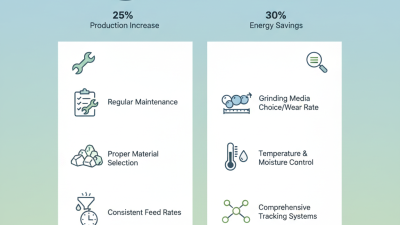
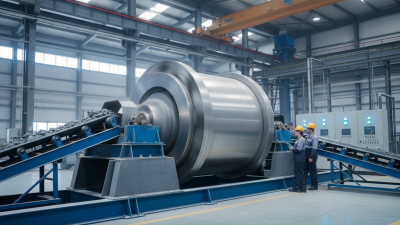
How to Choose Continuous Ball Mill Equipment for Your Business?
Choosing the right Continuous Ball Mill Equipment for your business can significantly impact production efficiency. It's a decision that requires careful consideration of several factors. Your choice will determine not just the output, but also the quality and consistency of the final product.
Continuous Ball Mill Equipment varies widely in size and functionality. Factors such as material type, production capacity, and energy consumption should guide your selection. Engaging with reliable manufacturers and suppliers is essential. They should offer insights into their equipment's performance and longevity.
Reflecting on your own needs is crucial. Consider current production levels and future expansion plans. Assessing your specific requirements can help pinpoint the best-fit equipment. Making an informed choice is vital, yet it can also be challenging. Every business has unique characteristics that must be taken into account. Balancing these factors will lead to a more efficient and effective milling process.
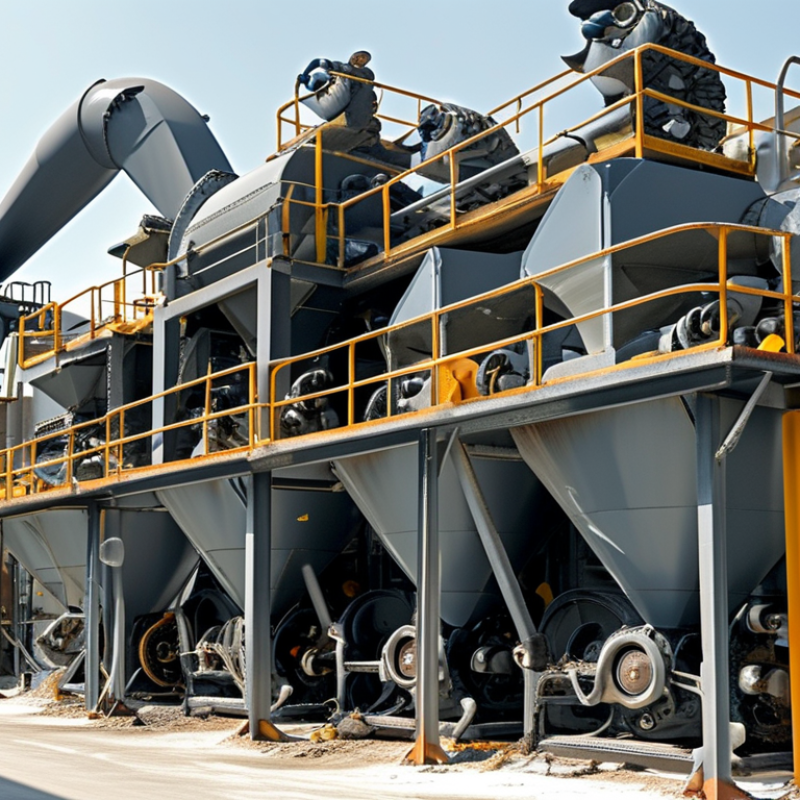
Understanding Continuous Ball Mill Equipment and Its Applications
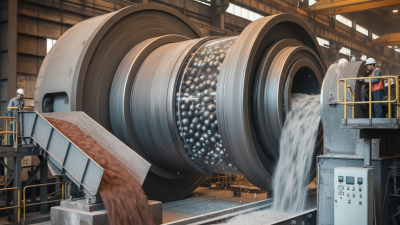
Continuous ball mill equipment plays a vital role in various industries. It is essential for grinding materials in processes such as mining, ceramics, and cement production. This equipment operates efficiently and continuously, reducing downtime and increasing productivity. However, selecting the right continuous ball mill requires a solid understanding of its applications.
These mills are designed for the uniform size reduction of materials. They ensure a consistent grind by maintaining a steady flow of feed materials. The choice of mill size, type, and parameters impacts the efficiency of grinding. For instance, the diameter and length of the mill affect the retention time of materials. A longer retention time can enhance the uniformity of particle size but may also lead to overgrinding. It is important to consider the specific requirements of your production process and material characteristics when choosing the equipment.
Potential challenges exist when integrating continuous ball mills into existing systems. For example, it’s crucial to assess the compatibility with other machinery and workflow processes. Operators must also receive adequate training to handle the equipment effectively. Continuous monitoring is necessary to ensure optimal performance and to identify potential issues early. Understanding these aspects will help businesses make informed decisions and avoid costly mistakes.
How to Choose Continuous Ball Mill Equipment for Your Business?
| Parameter |
Description |
Importance |
Typical Values |
| Capacity |
Volume of material that can be processed in a given time |
Determines production efficiency |
100 - 500 tons/day |
| Material |
Type of materials suitable for grinding |
Affects particle size and quality of final product |
Metals, minerals, ceramics |
| Power Consumption |
Energy required to operate the ball mill |
Impacts operational costs |
50 - 200 kW |
| Grinding Time |
Duration required for achieving desired particle size |
Influences production rates |
1 - 24 hours |
| Maintenance Frequency |
How often the equipment requires maintenance |
Affects downtime and operational efficiency |
Monthly, Quarterly |
Key Factors to Consider When Selecting a Continuous Ball Mill
When selecting continuous ball mill equipment, several key factors come into play. The size of the mill is crucial. It should fit your production requirements. A larger mill can handle more material but may require more floor space. Evaluate your production goals carefully.
Material quality is another vital consideration. The type of materials being processed affects both product consistency and equipment longevity. Consider the hardness and abrasiveness of the materials you'll be using. Materials that are tougher will lead to increased wear on the mill.
Performance efficiency matters significantly. Look for features that enhance grinding efficiency. Energy consumption is a critical factor as well. Optimize energy use to keep operating costs down.
Keep your maintenance needs in check. Some mills require more upkeep than others. It's wise to consult with technical experts to help you assess the right equipment for your situation.
Think about safety features seriously. Equipment should meet industry standards. Ensure that operational protocols are in place to manage risks effectively. Prioritize equipment that simplifies compliance with safety regulations.
Evaluating the Specifications and Features of Ball Mill Equipment
When selecting continuous ball mill equipment, evaluating specifications and features is crucial. The mill’s capacity is a primary consideration. Understanding how much material you need to process is essential. For instance, a mill with higher capacity is necessary for large-scale operations.
Another vital aspect is the material of construction. Mills should be built from durable materials to withstand wear and tear. Consideration of the grinding media is also important; different materials produce varying results. Fine-tuning these elements can significantly impact your production efficiency.
It’s useful to ask yourself about energy consumption. A more efficient mill can save costs in the long run. Sometimes, purchasing decisions are rushed, with little thought to maintenance requirements. Reflecting on this can help prevent future operational issues. Ensure that the equipment matches your specific industrial needs; otherwise, it may lead to underperformance.
Specifications Comparison of Continuous Ball Mill Equipment
Assessing the Budget and Cost-Efficiency of Mill Options
Selecting the right continuous ball mill equipment for your business involves careful consideration of budget and cost-efficiency. Research indicates that operational costs can vary significantly. According to industry reports, businesses can spend anywhere from $50,000 to over $300,000 on such equipment. The price often depends on the mill's capacity and the materials used in its manufacturing. Hence, understanding your production needs is essential for making an informed decision.
One approach to budgeting is to assess the total cost of ownership. This includes not just the initial purchase price but also maintenance, energy consumption, and potential downtime costs. Studies suggest that energy costs can account for up to 40% of the total operating costs in milling processes. Investing in energy-efficient models might reduce expenses in the long run, despite higher upfront costs.
When considering options, it's important to compare features against long-term savings. Evaluate the efficiency ratings of various mills. A high-capacity mill might seem appealing, but if it requires frequent maintenance or has high energy consumption, it could end up being more costly. Prioritize models with a strong track record for reliability and lower operational costs. This balance can lead to sustainable financial benefits for your business over time.
Identifying Reliable Manufacturers and Suppliers in the Market
When selecting continuous ball mill equipment, identifying reliable manufacturers is crucial. The market is flooded with options, making it necessary to do thorough research. According to a recent industry report, 70% of companies prioritize supplier reliability over cost. This statistic reflects the importance of quality in manufacturing processes.
Evaluating a manufacturer's experience is essential. Look for companies that have been in the industry for several years. Their longevity often indicates a track record of reliability. Additionally, consider their technical expertise. Manufacturers with skilled engineering teams are more likely to provide equipment that meets specific business needs.
Don't overlook customer testimonials and case studies. These insights offer real-world evidence of a manufacturer's performance. A notable report highlights that 60% of businesses found manufacturers through referrals. This statistic shows the power of word-of-mouth in the industry. Scrutinizing online reviews is another way to gauge credibility. Reliable suppliers should have consistent, positive feedback across platforms.