What is a Semi-Continuous Grinding Ball Mill and Its Benefits?
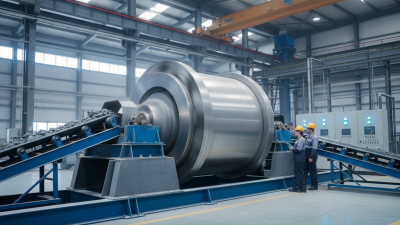
The Semi-Continuous Grinding Ball Mill is an innovative solution for modern milling needs. This type of mill combines the benefits of continuous and batch processing. It handles materials efficiently, offering reliability and high output. Many industries, from mining to cement, find this technology beneficial.
Utilizing a Semi-Continuous Grinding Ball Mill allows for consistent particle size. This means better quality control and enhanced product performance. The design promotes low operational costs, making it a cost-effective choice for manufacturers. However, practitioners sometimes overlook maintenance, which can impact efficiency over time. Regular checks are essential to ensure optimal function.
Incorporating this technology requires careful consideration. While it offers advanced processing capabilities, not all materials are suitable. Each application demands a tailored approach. The Semi-Continuous Grinding Ball Mill stands out, but understanding its limits is crucial for success.
Definition of a Semi-Continuous Grinding Ball Mill
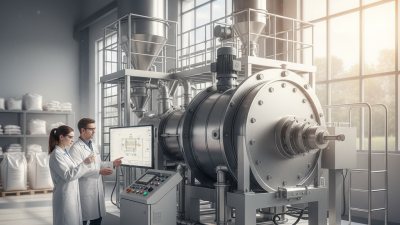
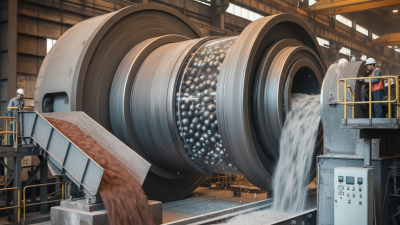
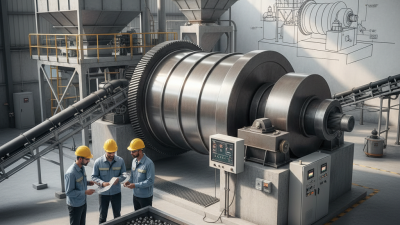
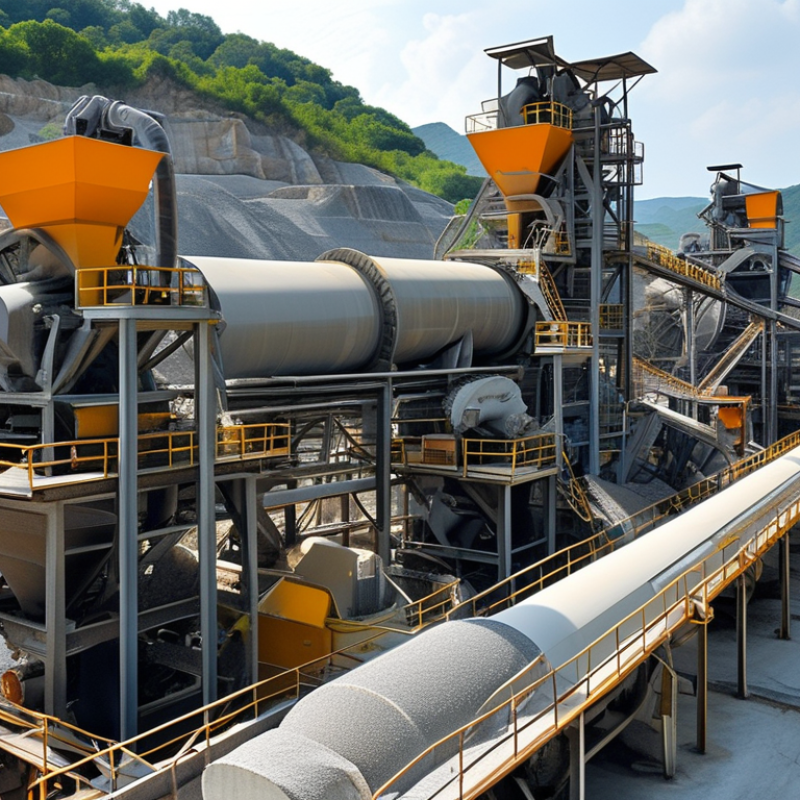
A semi-continuous grinding ball mill is an innovative milling equipment that combines features of both continuous and batch grinding processes. It allows materials to be fed continuously while still controlling the grinding time and efficiency. This type of mill typically consists of a cylindrical shell filled with grinding media, where particles are crushed through impact and friction. The unique operation mode provides flexibility in manufacturing and enhances productivity in various industries.
One of the primary advantages of a semi-continuous grinding ball mill is its adaptability. Manufacturers can adjust the feed rates and grinding times, leading to optimized particle size distribution. This control is crucial in producing high-quality end products. Moreover, the continuous operation minimizes downtime, which can be beneficial for large-scale production. However, the initial setup and calibration require a careful approach. An improperly calibrated system may lead to inefficient grinding and wasted resources.
Ultimately, while the semi-continuous grinding ball mill presents many benefits, it also poses challenges that require ongoing assessment. Operators must continuously monitor performance to ensure optimal function. Regular maintenance is essential to prevent inefficiencies. Understanding these dynamics is key for businesses aiming to leverage such technology effectively in their processes.
Key Features of Semi-Continuous Grinding Ball Mills
Semi-continuous grinding ball mills are engineered for sustained productivity. One of their notable features is the ability to operate with a consistent material feed. This allows for a steady output of finely ground materials, which is critical in industries such as cement and mineral processing. Data from industry reports show that these mills can achieve efficiencies of up to 85%, a substantial improvement over traditional batch processes.
Another key feature is the flexibility in operation. Semi-continuous grinding ball mills can adapt to different types of materials and particle sizes. This adaptability allows manufacturers to switch between products without significant downtime. Recent studies reflect the increasing demand for such mills, highlighting a projected market growth rate of approximately 5.2% annually. Users often note the importance of their ability to handle both wet and dry grinding processes seamlessly.
However, challenges remain. Maintenance can be more complex than in fully continuous systems. There may be instances of wear and tear that impact the mill's performance. Additionally, while these mills provide enhanced efficiency, the initial installation cost can be higher than traditional machines. Continuous improvement in design and technology will be crucial to address these issues and unlock further potential in semi-continuous grinding technology.
Advantages of Using Semi-Continuous Grinding Ball Mills
Semi-continuous grinding ball mills offer various advantages that enhance grinding processes in several industries. These mills combine the efficiency of continuous mills with the flexibility often associated with batch processing. They can handle varied material types and sizes, making them incredibly versatile for different production needs. This adaptability allows businesses to optimize their operations and improve productivity.
One major benefit is the consistent quality of the final product. By maintaining a steady flow of materials, these mills reduce variability in the grind, resulting in uniform particle sizes. This consistency is crucial for industries requiring precision, such as pharmaceuticals and advanced ceramics. The semi-continuous setup also allows for easier adjustments during operation. Operators can modify parameters without significant downtime, thus maintaining efficient production flows.
Tips for optimizing the use of semi-continuous grinding ball mills include regularly monitoring wear on grinding media. Ensuring they are adequately maintained can improve efficiency. It is valuable to experiment with various materials and load configurations to find the most effective setup. Evaluating the results can lead to better decision-making in future processes. Importantly, don’t overlook the potential for waste reduction. Reducing excess material can lead to cost savings over time. By reflecting on these aspects, improvements are always possible.
What is a Semi-Continuous Grinding Ball Mill and Its Benefits?
| Dimension |
Description |
Benefits |
| Capacity |
Typically designed to handle various throughput rates based on materials |
Increased efficiency in processing large quantities of material |
| Operation Type |
Combines both batch and continuous operation modes |
Flexibility suited for varying production needs |
| Material Types |
Can process a wide range of materials including ores and mineral samples |
Versatility in applications across industries |
| Energy Consumption |
Designed for optimized energy use |
Reduction in operational costs |
| Maintenance |
Lower maintenance requirements compared to traditional mills |
Increased uptime and productivity |
Applications of Semi-Continuous Grinding Ball Mills in Industry
Semi-continuous grinding ball mills have carved out a niche in various industries. Companies, ranging from minerals to chemicals, find these mills valuable. They offer continuous operation while ensuring optimal particle size. In mining, these mills help achieve solid material grinding efficiently. Healthcare industries use them for fine powder production in pharmaceuticals.
In manufacturing settings, these mills provide flexibility. They allow for small batch production with consistent results. This versatility attracts industries looking to innovate while maintaining quality. However, some operators face challenges in adjusting the mill settings. Finding the ideal parameters requires experience and patience. Over time, operators may discover that initial settings often do not yield optimal results.
The food industry also benefits from these grinding mills. They help create uniform textures in spices and grains. Yet, not all mills perform equally well across different materials. Operators must evaluate their specific needs and adjust accordingly. This ongoing reflection can lead to more efficient processes and higher-quality end products.
Applications of Semi-Continuous Grinding Ball Mills in Industry
Comparing Semi-Continuous and Traditional Grinding Ball Mills
Semi-continuous grinding ball mills present a unique operating mechanism compared to traditional models. In traditional mills, the grinding process often relies on batch operations, leading to intermittent production. On the other hand, semi-continuous mills allow for a steady flow of material, which results in constant and more efficient grinding. This design enables adjustments to be made on-the-fly, improving throughput and product quality.
Moreover, energy consumption is generally lower in semi-continuous systems. They can optimize operational time, making them ideal for large-scale production. Operators often report smoother operation and reduced wear on components, which translates to longer maintenance intervals. However, transitioning to this system requires careful evaluation of existing processes. Not all operations might benefit from such a shift. Choosing the right mill involves understanding both its advantages and potential challenges.