Top 10 Cement Clinker Ball Mill Manufacturers in China?
The cement industry is pivotal to global infrastructure. One key component is the Cement Clinker Ball Mill. According to a report by the Research and Markets, the global cement market is expected to reach $682.3 billion by 2027, with a compound annual growth rate (CAGR) of 7.2%. This growth is closely tied to the efficiency and technology of cement grinding equipment.
China stands as a major player in this sector, with numerous manufacturers producing high-quality Cement Clinker Ball Mills. Their innovative designs have enhanced production efficiency, yielding better energy consumption rates. Recent industry analyses highlight that leading manufacturers provide a significant portion of the machinery used in modern cement plants. However, not all products meet the highest standards.
A thorough approach is essential when choosing a manufacturer. Variability in equipment quality and after-sales service can affect operational efficiency. Companies that prioritize research and development tend to produce more reliable models. As such, examining the top 10 Cement Clinker Ball Mill manufacturers in China reveals both excellence and areas for improvement within the market.
Overview of Cement Clinker Ball Mills and Their Importance in Industry
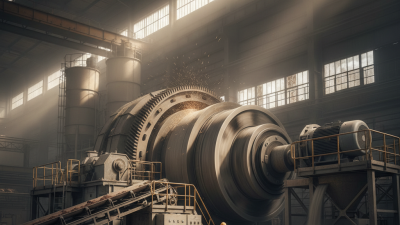
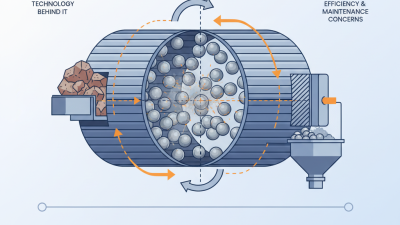
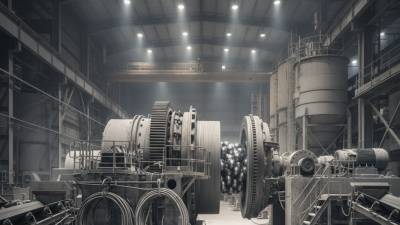
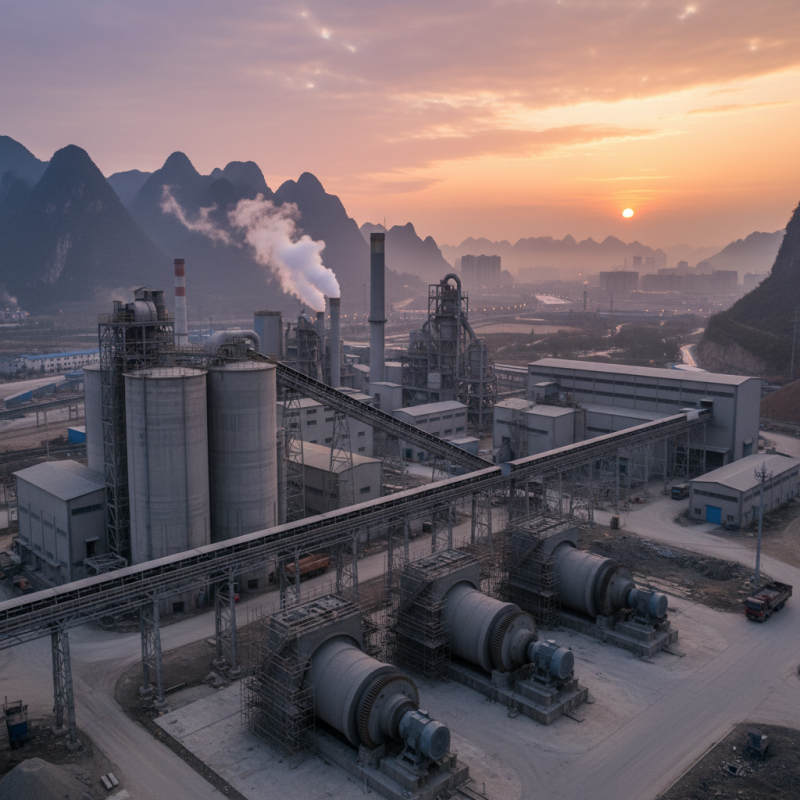
Cement clinker ball mills play a crucial role in the cement production process. These mills grind clinker into fine powder, which is essential for creating cement. According to industry reports, the global cement market size was valued at over $326 billion USD in 2020. This figure underscores the importance of optimizing production efficiency.
In China, cement clinker production has increased significantly, highlighting the need for advanced milling technologies. Studies suggest that the efficiency of ball mills can impact energy consumption by up to 30%. This statistic stresses the demand for quality manufacturing in the ball mill sector. Implementing innovative technologies can enhance grinding capabilities and reduce operational costs.
Despite advancements, challenges remain. Many ball mills operate below optimal capacity, raising questions about maintenance and operational practices. A lack of proper training can lead to inefficiencies. Addressing these issues could improve both productivity and sustainability in the cement industry. Understanding the dynamics of cement clinker ball mills is essential for manufacturers aiming to remain competitive in a rapidly evolving market.
Top 10 Cement Clinker Ball Mill Manufacturers - Production Capacity Comparison
This chart illustrates the estimated production capacities in tons per year of various cement clinker ball mills from selected manufacturers in China, highlighting their significance in the cement industry.
Criteria for Evaluating Cement Clinker Ball Mill Manufacturers
When choosing a cement clinker ball mill manufacturer, several evaluation criteria are essential. The first is experience in the industry. A manufacturer with years of experience likely understands the complexities of producing high-quality mills. This understanding can be seen in their process efficiency and product reliability. The technical expertise within the organization also reflects on the design and durability of their mills.
Quality assurance is another crucial factor. Reliable manufacturers implement strict quality control measures. Look for certifications from recognized authorities that validate their processes and materials. Furthermore, customer feedback plays a significant role. Positive reviews indicate a manufacturer’s commitment to performance and customer satisfaction.
It's also wise to assess the technology used in manufacturing. Modern techniques can enhance efficiency and output. Manufacturers employing innovative technology tend to produce better-performing mills. However, not all new technology guarantees quality. Some may focus on cost-cutting, leading to inferior products. Thus, a thorough investigation is necessary before making a decision. Quality and innovation should go hand in hand. A balance between these factors is critical in identifying the right manufacturer for your needs.
Top 10 Cement Clinker Ball Mill Manufacturers in China
| Manufacturer |
Production Capacity (tons/year) |
Technological Innovations |
Export Markets |
Years in Business |
Customer Reviews Rating |
| Manufacturer A |
500,000 |
High-efficiency grinding technology |
Asia, Africa |
25 |
4.5 |
| Manufacturer B |
400,000 |
Energy-saving technologies |
Europe, South America |
30 |
4.7 |
| Manufacturer C |
600,000 |
Automation in production |
North America, Australia |
20 |
4.6 |
| Manufacturer D |
350,000 |
Modular designs |
Middle East |
15 |
4.4 |
| Manufacturer E |
450,000 |
Eco-friendly options |
Africa, Asia |
18 |
4.3 |
| Manufacturer F |
300,000 |
Advanced grinding solutions |
South America, Europe |
22 |
4.2 |
| Manufacturer G |
250,000 |
Precision engineering |
Asia, North America |
10 |
4.0 |
| Manufacturer H |
200,000 |
Vertical grinding mills |
Europe |
5 |
3.8 |
| Manufacturer I |
150,000 |
Dust control systems |
Asia, Africa |
8 |
3.5 |
| Manufacturer J |
100,000 |
Low-noise technologies |
Domestic Market |
3 |
3.2 |
Top Manufacturers: Key Features and Innovations
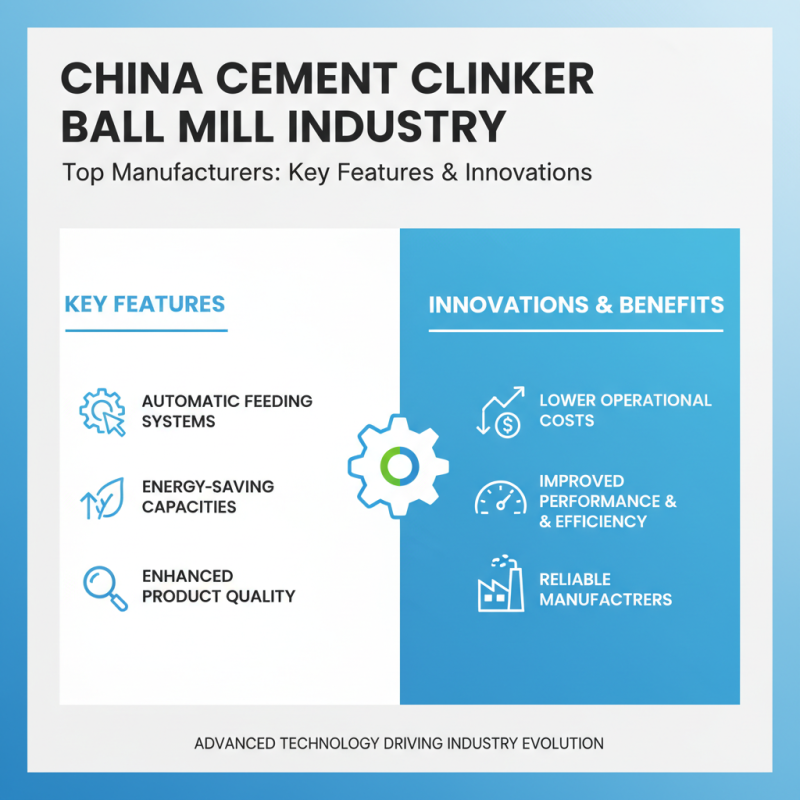
The cement clinker ball mill industry in China is evolving rapidly. Reliable manufacturers incorporate advanced technology to enhance efficiency and product quality. State-of-the-art machinery features include automatic feeding systems and energy-saving capacities. These innovations significantly lower operational costs and improve performance.
Moreover, manufacturers are exploring durable materials for mill construction. This choice increases longevity, ensuring sustained output in demanding environments. Companies often prioritize user-friendly interfaces and remote monitoring systems. Such features allow operators to easily track performance, leading to better maintenance practices.
Despite the progress, challenges remain. Some manufacturers struggle with adapting to new technologies quickly. This reluctance can hinder performance improvements and efficiency gains. Continuous training for operators is also essential, ensuring they keep pace with evolving machinery. In this dynamic sector, innovation is critical, yet the human element must not be overlooked.
Comparative Analysis of the Leading Cement Clinker Ball Mill Brands
In the realm of cement production, selecting the right cement clinker ball mill is crucial for efficiency and output quality. A comparative analysis of leading manufacturers reveals varied strengths and weaknesses. Most mills excel in energy efficiency, while some offer advanced automation features. However, the void in standardized performance metrics often leads to uncertainty for buyers. Understanding these aspects can aid manufacturers in making informed decisions.
Some brands emphasize durability and reliability, providing robust designs. This focus ensures less downtime during operations, a significant factor in large-scale projects. On the flip side, certain manufacturers allocate less attention to user interface. Complex controls can frustrate operators. The lack of comprehensive training programs compounds these issues, leaving users perplexed.
Another factor is after-sales support. Many companies claim excellent service, yet experiences vary widely. Prompt service responses are crucial, especially during breakdowns. Manufacturers with a solid reputation for support often gain loyal customers. However, those with inconsistent service records can cause frustration. Such disparities highlight the need for buyers to perform due diligence.
Future Trends in Cement Clinker Ball Mill Manufacturing in China
The future of cement clinker ball mill manufacturing in China is shaped by several key trends. As the construction industry evolves, the demand for efficient and sustainable milling technologies rises. Manufacturers are prioritizing energy efficiency and environmentally friendly processes. This shift not only reduces operational costs but also meets increasing regulatory standards.
Adapting to digital technologies is another critical trend. The integration of automation and smart technologies enhances production capabilities. Real-time monitoring systems allow manufacturers to optimize processes, thereby increasing output and reducing downtime. However, implementing these technologies can be challenging. Companies must ensure their workforce is trained to handle advanced machinery.
**Tip:** Stay informed on innovative practices in milling technology. Engaging in industry forums can provide valuable insights.
Furthermore, sustainability is at the forefront of future developments. Companies are exploring alternative materials and methods that minimize environmental impact. Experimenting with waste materials could lead to breakthroughs in production efficiency. The pursuit of cleaner processes is essential for industry growth.
**Tip:** Assess your current processes critically. Consider areas for improvement to align with sustainability goals.