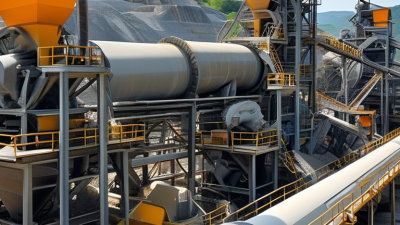
Understanding Continuous Ball Mill Working Principle for Buyers?
In the world of manufacturing, understanding the "Continuous Ball Mill Working Principle" is crucial for those looking to invest. Expert Dr. Emily Thompson, a renowned engineer in material processing, once stated, "Grasping the working principle is key to optimizing production." This principle lies at the heart of continuous ball mills, widely used in various industries.
Continuous ball mills operate by allowing material to flow continuously through the grinding process. This flow creates consistent particle size reduction. However, many buyers remain unclear about the specific mechanics involved. The complexity of these machines can be daunting, making it essential for buyers to research thoroughly. Reliable knowledge can make a notable difference.
Buyers should focus on understanding the mill’s operational aspects, such as grinding media movement and material retention time. Ignoring these details may lead to inefficient production. Engaging with experts and reading reliable sources enhances understanding. After all, a well-informed decision leads to better investment outcomes in the competitive manufacturing landscape.
Understanding the Basics of Continuous Ball Mill Operation
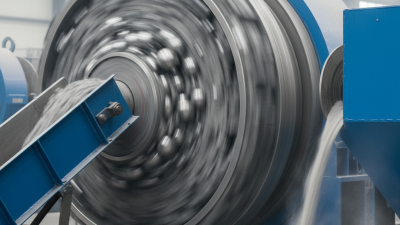
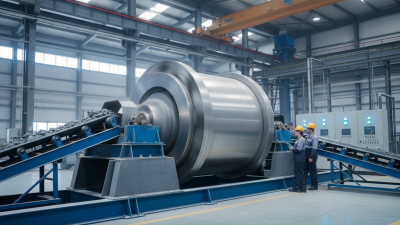
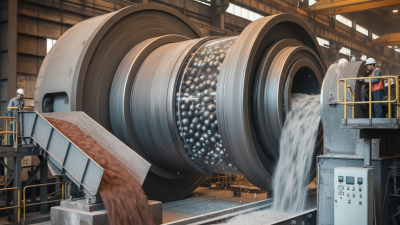
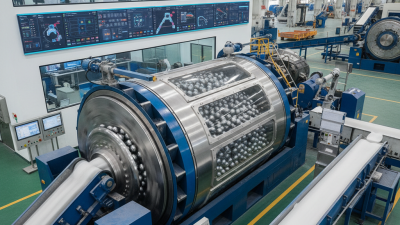
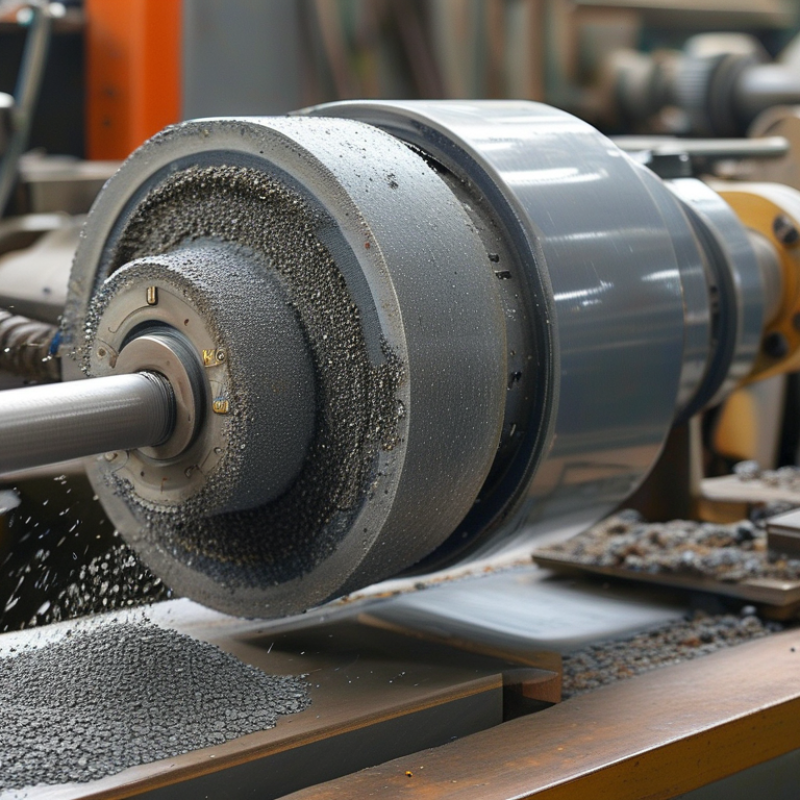
Continuous ball mills are essential in various industries for grinding and mixing materials. Understanding their operation can help buyers make informed decisions. The mill consists of a rotating cylinder filled with balls, where the grinding process takes place. The material enters at one end, and the constant motion of the balls crushes it into finer particles. This continuous flow allows for a steady production rate, making it efficient for large-scale operations.
The design of a continuous ball mill also influences its efficiency. The speed of rotation, size of the balls, and the length of the cylinder all play a vital role. Adjusting these factors can lead to different grinding outcomes. For instance, a higher rotation speed usually results in faster grinding. However, it can also generate excess heat, which may affect the quality of the final product. Buyers should consider the material characteristics to select the right configuration.
While continuous ball mills are highly effective, they do present challenges. Regular maintenance is required to avoid wear and tear of the lining and the grinding media. Buyers often underestimate this aspect, leading to potential downtime. Moreover, understanding the specific requirements of each application is critical. This ensures optimal performance and product quality. Proper assessment of these variables can lead to better investment in continuous ball mill systems.
Understanding Continuous Ball Mill Operation
Key Components of Continuous Ball Mills and Their Functions
Continuous ball mills are vital in various industrial processes. Key components play specific roles that ensure efficiency and smooth operation. Understanding these parts is crucial for buyers.
The grinding chamber is where materials are processed. It houses the grinding media, typically steel balls. These balls collide with materials, breaking them down into finer particles. The design of the chamber affects grinding efficiency. A well-designed chamber leads to better energy use. However, frequent maintenance is required to keep it functioning optimally.
Another essential component is the feeding system. It controls the input of raw materials into the mill. Proper feeding affects the milling process and overall product quality. If the feed rate is too high or too low, it can hinder performance. The discharge system works in tandem, allowing processed material to exit the chamber efficiently. If not managed correctly, clogs can occur, disrupting operations. Understanding these components helps buyers make informed decisions.
Principles of Material Feeding and Discharge in Continuous Ball Mills
Continuous ball mills operate on the principle of constant material feeding and discharge. Understanding how these processes work is crucial for buyers. Material enters the mill continuously, ensuring a steady flow. The feeding mechanism typically consists of hoppers or feeders, which control the amount of material entering the mill. This consistency leads to more uniform grinding outcomes.
The discharge process is equally essential. Materials exit through discharge grates or trunnions. The design of these components affects the flow rate and efficiency of the milling process. It's important to note that improper discharge can lead to bottlenecks. Buyers should consider how these features impact overall productivity and maintenance.
Additionally, the choice of the right mill configuration can be complex. Factors such as material type and desired particle size play significant roles. Continuous feedback from operators can improve performance over time. However, finding the perfect balance remains a challenge, highlighting the need for informed decision-making. Understanding these principles will empower buyers to make quality choices and avoid costly mistakes.
Factors Influencing the Efficiency of Continuous Ball Mills
Continuous ball mills are essential in many industries. Their efficiency can significantly impact production rates. Several factors influence how well these mills operate. Understanding them helps buyers make informed decisions.
One key factor is materials' properties. Hardness, size, and moisture content can affect milling efficiency. For example, harder materials require more energy to grind. Additionally, the size of the feed material can influence the grinding process. Smaller particles often yield better results.
Another important aspect is the mill’s design. The shape and size of the mill can alter the flow of materials inside. Optimizing the internal structure can enhance performance. Another consideration is the speed of rotation. A higher speed can lead to better grinding but can also increase wear and tear on components. Monitoring is crucial to find the right balance and avoid excessive maintenance costs.
Common Applications and Industries Utilizing Continuous Ball Mills
Continuous ball mills play a crucial role in various industries, facilitating efficient material processing. Common applications include mineral processing, metallurgy, and cement production. According to industry reports, the global ball mill market is projected to reach $4.5 billion by 2027, driven by increased demand in these sectors. The cement industry alone utilizes a significant portion of this technology, with continuous ball mills optimizing the grinding process for better product consistency.
In metallurgy, continuous ball mills are vital for producing finely ground materials necessary for high-quality metal extraction. These mills enable a continuous feed of raw materials, enhancing productivity. The mining segment is expected to grow at a compound annual growth rate (CAGR) of 5.1% between 2023 and 2028, highlighting the importance of these mills in meeting industrial needs. Yet, challenges persist, such as energy inefficiency and wear on the mill components, which can affect overall performance.
Moreover, the pharmaceutical industry has started leveraging continuous ball mills for drug formulation. This application is growing as manufacturers seek faster processing times and improved product quality. Despite these advancements, some companies struggle with adapting old equipment to modern standards. As industries adapt and evolve, continuous innovations are essential for optimizing continuous ball mill usage across sectors.