China Top 10 Batch Ball Mill Manufacturers?
Choosing among China’s top 10 Batch Ball Mill manufacturers requires more than comparing catalog prices. Production results depend on design quality, material selection, process control, and after-sales support. A polished website is not enough.
This guide examines manufacturers through practical criteria. These include engineering experience, grinding capacity, lining materials, motor performance, batch size, and maintenance access. It also considers factory audits, test records, export experience, and customer feedback. Details matter. A reliable supplier should explain how its mill handles moisture, particle size, and abrasive feed materials.
Real operating conditions reveal more than brochures. Look for clear drawings, safety protections, spare-parts availability, and responsive technical communication. Ask whether the manufacturer can provide a trial grind using your material. The sound of the motor, the stability of the drum, and the uniformity of the final powder can expose design weaknesses.
No ranking is perfect. Buyer requirements differ, and public information may change. A small factory may offer careful customization, while a larger manufacturer may provide stronger global service. That difference deserves attention.
The following overview introduces ten notable Chinese manufacturers and explains their likely strengths, product focus, and selection considerations. It aims to support informed purchasing decisions, not replace technical verification. Before signing a contract, confirm specifications, testing methods, delivery terms, installation responsibilities, and warranty coverage directly with the supplier.
What Is a Batch Ball Mill and How Does It Work?
China Top 10 Batch Ball Mill Manufacturers
What Is a Batch Ball Mill and How Does It Work?
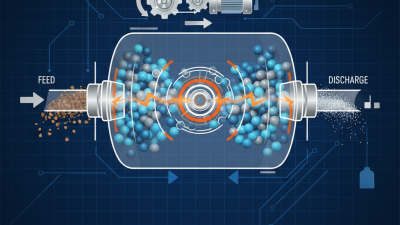
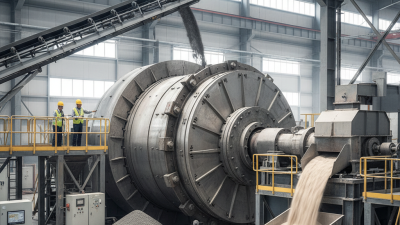
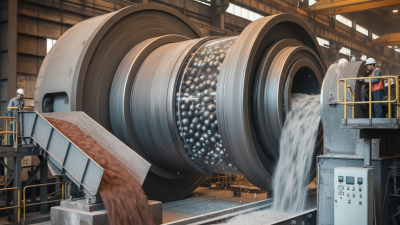
A batch ball mill is a closed vessel that grinds materials in separate loads. Operators add feed, grinding media, and sometimes liquid. The vessel rotates around a horizontal axis. As it turns, the media lift and fall, creating impact and friction. These forces reduce particles into a finer, more uniform product. The mill then stops for discharge and cleaning. This cycle suits small production runs, laboratory work, and products needing strict separation between batches.
The working process needs more control than simple rotation. Feed size, moisture, filling ratio, and rotation speed all affect grinding quality. Excessive material can reduce impact. Too little material may waste energy. A ceramic lining can limit contamination, while a steel lining may offer stronger wear resistance. Operators should inspect the chamber, check the media condition, and confirm the target particle size before each run. Sampling during discharge is useful, but one sample can mislead. Material often settles unevenly. Comparing several samples gives a more reliable result. When assessing manufacturers among China’s top ten suppliers, buyers should examine test data, safety features, maintenance access, and after-sales support. The lowest purchase price may not produce the lowest operating cost. That lesson is easy to overlook.
Key Criteria for Evaluating Chinese Batch Ball Mill Manufacturers
Key Criteria for Evaluating Chinese Batch Ball Mill Manufacturers
Selecting a Chinese batch ball mill manufacturer requires more than comparing prices. The International Energy Agency reported that industry consumed about 37% of global final energy in 2022. Therefore, motor efficiency, grinding time, and discharge losses deserve careful review. Ask for measured power consumption at your planned feed size, not only catalog values. A practical factory should provide test records, liner specifications, and batch capacity data.
Material compatibility is equally important. The U.S. Geological Survey’s Mineral Commodity Summaries show how widely mineral feedstocks vary in hardness and composition. Request a laboratory trial using your actual ore, ceramic powder, or chemical material. Check particle-size distribution before and after milling. The result must be repeatable. One impressive test can mislead.
Inspect manufacturing evidence in person or through independent audits. ISO 9001 certification supports process control, but it does not prove grinding performance. Review weld inspections, gear alignment records, bearing brands, spare-parts availability, and technician response times. The World Bank’s Commodity Markets Outlook highlights continuing volatility in raw-material prices, making lifecycle cost more useful than purchase price alone. Ask about liner life and downtime assumptions. They may be optimistic. Challenge them with your operating history. Also verify guarding, emergency stops, dust control, and electrical compliance for your destination market. A cheaper quotation can become expensive when commissioning support is weak.
Top 10 Batch Ball Mill Manufacturers in China
Top 10 Batch Ball Mill Manufacturers in China
China’s batch ball mill sector supports ceramic, mineral, chemical, and laboratory processing. According to Mordor Intelligence’s 2024 ball mill market analysis, Asia-Pacific remains the leading regional market, driven by expanding processing capacity and infrastructure investment. This creates a competitive field for buyers comparing the top 10 batch ball mill manufacturers in China.
A practical review should examine more than production volume. Check drum capacity, lining material, rotation control, discharge design, and wet or dry milling performance. Energy use deserves attention. The International Energy Agency reports that industry consumes nearly 40% of global final energy, so motor efficiency and operating schedules can affect long-term costs. Test records, material certificates, and factory quality procedures also reveal manufacturing maturity. Data matters.
Supplier rankings can still be imperfect. Public reports often group batch and continuous mills together, making direct comparisons difficult. A 2024 Global Industry Analysts report identifies automation and process efficiency as major development themes in grinding equipment. Buyers should therefore request trial results using their actual feedstock. Small differences in particle size, moisture, and liner wear can change output significantly. The strongest candidates usually provide clear drawings, realistic capacity figures, installation guidance, and after-sales documentation. Claims without test conditions deserve caution.
Product Features, Industries Served, and Customization Options
When comparing China’s top batch ball mill manufacturers, look beyond advertised capacity. A batch mill processes a fixed charge of material, making vessel volume, rotation speed, and grinding media key performance details. Ceramic, rubber, or metal liners suit different materials and contamination limits. Ask for operating data at a comparable feed size, target fineness, and batch weight. A polished brochure is not a test result.
Tips: Request a material compatibility check and a clear description of the discharge method. Confirm how operators inspect liners and replace grinding media. Small details matter. A poorly matched liner can affect product purity, wear, and downtime.
These mills serve ceramics, mineral processing, pigments, and some chemical production. The right configuration depends on the material’s hardness, moisture, and required particle size. Custom options may include vessel dimensions, liner materials, motor controls, safety interlocks, and dust-management connections. Share your process conditions before requesting a quotation. Suppliers may recommend different setups, and that can be useful—but compare the assumptions behind each proposal. Even with careful selection, real-world wear can differ from estimates; plan for inspection and maintenance.
How to Select the Right Chinese Batch Ball Mill Manufacturer
Choosing a Chinese batch ball mill manufacturer starts with the material, not the catalogue. Define your batch size, target particle size, operating hours, and available floor space. A supplier should explain how drum volume, rotation speed, liner material, and grinding media suit those requirements. Small details matter.
Ask for a grinding test using a representative sample. Request the test conditions and particle-size results, not just a claim that the mill is suitable. Check the motor rating, control system, discharge arrangement, and safety features against your process. For example, a sticky material may need a different liner or discharge design than a dry, free-flowing powder. Ask for drawings and confirm that the quoted machine matches them.
Review the factory’s inspection records, material certificates, and commissioning plan. Clarify what spare parts are included, how technical support works across time zones, and who pays for replacement components. Ask for references from buyers with comparable production needs. A low quotation can hide exclusions. A polished brochure is not proof, either. Even careful checks cannot remove every risk, so record unanswered questions and get specifications in writing before placing an order.