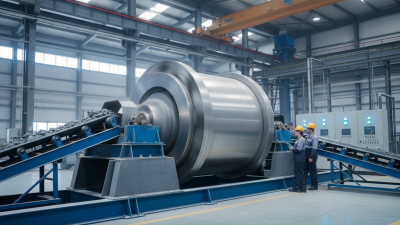
Choosing a grinding mill supplier is a practical engineering decision, not a popularity contest. This guide introduces ten manufacturers associated with Semi-Continuous Grinding Ball Mill systems and examines what they offer.
The comparison focuses on measurable factors. These include mill capacity, liner design, discharge control, drive configuration, energy use, and maintenance access. Site conditions also matter. Ore hardness, feed size, moisture, and required product fineness can change the right specification. A strong manufacturer should provide clear drawings, operating data, commissioning support, and responsive after-sales service. References from comparable plants add valuable evidence.
Numbers matter. Yet published capacity figures may not reflect every installation. A mill performing well in a dry, uniform ore circuit may struggle with sticky feed or frequent size changes. That limitation deserves attention. We therefore consider practical experience, technical documentation, manufacturing capability, spare-parts availability, and service history. Where public information is incomplete, the ranking should be treated as a starting point rather than a final verdict.
Real plants reveal more.
The following overview is designed for engineers, procurement teams, and plant owners comparing suppliers. It highlights each manufacturer’s apparent strengths, typical application focus, and questions buyers should ask before requesting a quotation. Readers should verify current certifications, factory capacity, delivery schedules, and performance guarantees directly with each company. Careful verification remains essential. A lower purchase price may hide higher installation, energy, or maintenance costs over the mill’s operating life.
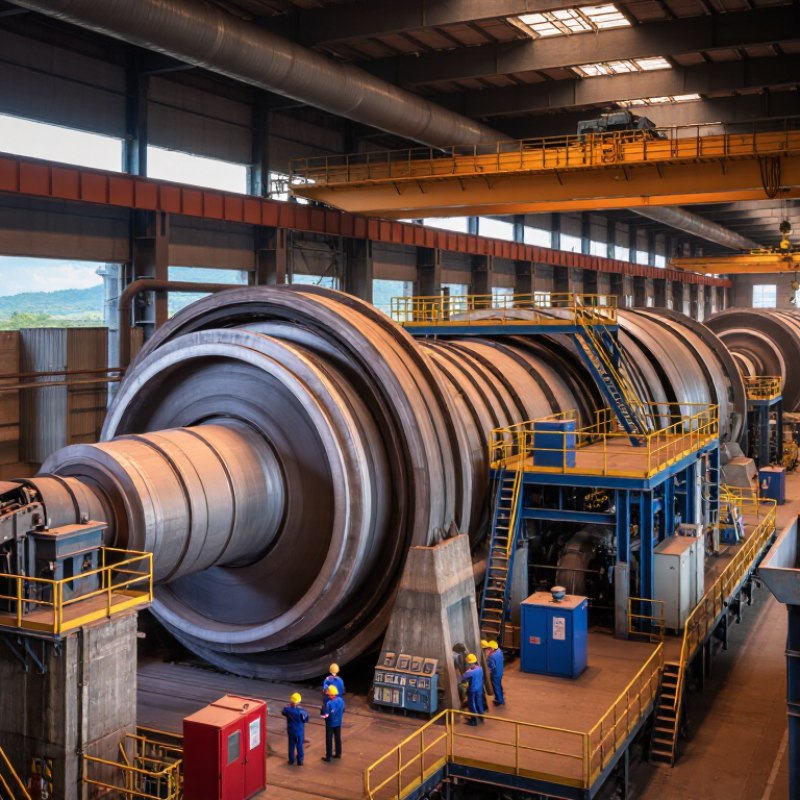
A semi-continuous grinding ball mill processes material in controlled, repeated stages rather than one sealed batch. Fresh ore enters while ground material leaves at planned intervals. The mill contains steel balls that lift and drop as the cylinder rotates. Impact and friction reduce the feed into smaller particles. This arrangement supports steadier production than batch grinding. However, it is not fully continuous. That distinction matters.
In daily plant operation, technicians monitor feed rate, mill load, water addition, and product size. A typical inspection checks the motor current and listens for unusual shell noise. Excessive noise may indicate an unsuitable ball charge or low material volume. Operators also examine the discharge screen for blocked openings. These simple observations can prevent unstable grinding and unnecessary wear. The details matter.
Semi-continuous designs suit facilities that need flexible throughput or changing ore conditions. Operators can adjust residence time between grinding stages. They may also change ball sizes as the feed becomes finer. This flexibility improves control, but it demands disciplined sampling. A rushed sample can misrepresent the actual product size. I have found that small process delays often create larger quality variations than expected. The concept sounds simple. The operating routine is not. Proper maintenance records, calibrated instruments, and trained personnel remain essential for dependable performance.
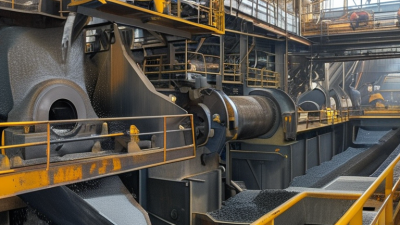
A semi-continuous grinding ball mill combines continuous material feeding with scheduled or controlled discharge. The typical operating ranges below are commonly used engineering guidelines for wet or dry tumbling ball-mill systems; actual settings depend on ore hardness, mill diameter, liner design, media size, and target product size.
Mill speed is normally maintained below critical speed to keep the grinding media in a cascading motion. Total filling includes grinding media and material, while ball charge refers only to the grinding media volume.
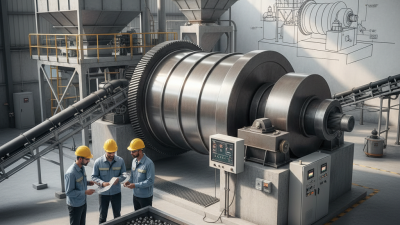
A semi-continuous grinding ball mill works between batch and continuous operation. Ore, water, and steel balls enter the rotating drum during controlled feeding periods. Inside, lifter bars raise the load and let it fall through the ore bed. Repeated impact and abrasion reduce large particles into smaller fragments. Simple in principle, but sensitive in practice.
At a chosen interval, the mill pauses feeding or changes its discharge arrangement. Ground slurry then leaves through a grate or outlet, while fresh material replaces the removed load. The timing matters. Discharging too early can leave coarse particles behind. Waiting too long may increase overgrinding, power use, and slurry viscosity.
Operators commonly monitor motor load, mill sound, slurry density, and product size. A sharp impact sound may suggest insufficient material between the balls. A heavy, dull sound can indicate excessive slurry or poor movement.
Reliable operation also depends on ball size distribution, liner condition, water control, and feed consistency. Worn liners change the lifting action, often before the problem becomes obvious.
Sampling at regular intervals gives stronger evidence than relying on appearance alone. One sample can mislead. I would also question stable results when feed moisture changes sharply. In real plants, small adjustments are often needed after inspection, because theoretical settings rarely match every ore type. Crew experience remains valuable, but it should support measurements, not replace them.
Comparing semi-continuous grinding ball mill manufacturers requires more than checking catalogue capacity. The U.S. Department of Energy’s Mining Industry Energy Bandwidth Study estimates that comminution can consume about 25% of mining energy. Therefore, verified power data matters. Request test results using similar ore, moisture, feed size, and product targets. A claimed throughput figure means little without those conditions.
Check the mill’s operating flexibility. Semi-continuous equipment should manage interrupted feeding, changing ore hardness, and controlled discharge without excessive manual intervention. Compare motor efficiency, gearbox design, liner life, ball charging systems, and automation logic. Ask for measured availability, not only design availability. Small details matter. Inspect access doors, lubrication points, and the floor space required for maintenance.
The International Energy Agency continues to identify industrial efficiency and digital monitoring as important energy-saving measures. Manufacturers should provide historian data, alarm records, and remote diagnostic options. Their technical teams should also explain commissioning procedures and operator training. Independent references are valuable, especially from sites processing comparable ore. A polished proposal can still hide weak after-sales support. I would treat unusually high recovery or capacity claims cautiously. One overlooked issue is spare-part lead time; a low purchase price may become expensive during an unplanned shutdown. Verify ISO-certified quality systems, factory acceptance testing, and documented wear-rate assumptions before ranking the final ten manufacturers.
Top 10 Semi-Continuous Grinding Ball Mill Manufacturers
The top ten semi-continuous grinding ball mill manufacturers are best compared through engineering evidence, not attractive catalog claims. Experienced suppliers show mill capacity, motor power, drum dimensions, liner materials, and achievable product size. They also explain how the mill handles interrupted feed cycles, changing ore moisture, and controlled discharge. A reliable manufacturer provides test data from comparable minerals, not only laboratory results. Look for documented inspections, service records, and clear warranty terms. Small details matter.
During supplier evaluation, ask for a process flow diagram and a complete list of wearing parts. A practical design may include lifter bars, inspection doors, variable-speed control, and a protected discharge screen. Operators should understand the expected ball charge and the time needed between grinding cycles. Ask how quickly liners can be replaced. Downtime is expensive. A common weakness is trusting nominal capacity without checking feed hardness and moisture. I have found that real performance often differs from ideal test conditions.
Tips: Request a pilot grinding test with representative material. Measure feed size, moisture, power draw, and final residue. Compare energy use per tonne, not only hourly output. Check whether local technicians can support installation and alignment. Review the control system manually, too; automation can hide poor settings. Keep a spare liner plan. It may seem excessive, but unplanned wear can stop production. Also, ask manufacturers to explain limitations plainly. That answer often reveals more than a polished brochure.
| Rank | Manufacturer Profile | Primary Market Coverage | Typical Mill Diameter | Typical Mill Length | Drive Configuration | Discharge Arrangement | Automation Scope | Common Application | Overall Capability Score |
|---|---|---|---|---|---|---|---|---|---|
| 1 | Large-scale mineral-processing equipment supplier | Global mining and minerals projects | 2.1–5.5 m | 3.0–9.5 m | Girth gear and pinion; dual-drive options available | Grate or overflow discharge | PLC control, interlocks, lubrication monitoring, load and temperature protection | Copper, gold, iron ore, polymetallic ores | 9.5/10 |
| 2 | Integrated grinding-system engineering group | Asia, Africa, Oceania, and South America | 1.8–5.0 m | 2.4–9.0 m | Single-pinion, dual-pinion, and variable-speed drive options | Grate, peripheral, or overflow discharge | Remote condition monitoring, process instrumentation, automatic lubrication | Hard-rock concentrators and concentrator expansion projects | 9.3/10 |
| 3 | Heavy-duty custom mill manufacturer | International mining and industrial markets | 1.5–4.8 m | 2.0–8.5 m | Geared drive with high-torque starting capability | Wet grate or overflow discharge | Motor protection, bearing temperature monitoring, emergency shutdown systems | Base-metal ores, construction minerals, and industrial minerals | 9.1/10 |
| 4 | Modular mineral-processing plant supplier | Emerging mining regions and compact plants | 1.2–3.6 m | 1.8–6.5 m | Single-pinion geared drive | Grate or overflow discharge | Skid-mounted controls, basic PLC automation, alarm management | Small and medium-scale gold, copper, and lithium operations | 8.8/10 |
| 5 | Custom process-equipment manufacturer | Europe, the Middle East, and selected global projects | 1.5–4.2 m | 2.2–7.5 m | Girth gear and pinion with optional variable-frequency drive | Overflow or diaphragm-assisted discharge | Digital instrumentation, vibration monitoring, and centralized lubrication | Industrial minerals, cement raw materials, and ore regrinding | 8.6/10 |
| 6 | OEM engineering and retrofit specialist | North America, Latin America, and selected overseas markets | 1.2–4.0 m | 1.8–7.0 m | Single- or dual-pinion geared drive | Wet grate or overflow discharge | Retrofit instrumentation, control-panel integration, and predictive maintenance support | Existing concentrator upgrades and replacement projects | 8.4/10 |
| 7 | Mid-sized turnkey plant builder | Asia, Africa, and regional processing markets | 1.0–3.6 m | 1.5–6.0 m | Geared single-pinion drive | Grate or overflow discharge | PLC-based sequencing, level monitoring, and safety interlocks | Gold ore, phosphate, limestone, and general beneficiation | 8.2/10 |
| 8 | Specialized wet-grinding equipment supplier | Regional mining and chemical-processing markets | 0.9–3.2 m | 1.4–5.5 m | Direct-coupled or geared motor drive | Overflow and grate discharge configurations | Motor protection, bearing monitoring, and manual-to-automatic control options | Fine grinding, beneficiation, and chemical raw materials | 8.0/10 |
| 9 | Compact plant and laboratory-to-production supplier | Domestic and export markets for smaller installations | 0.6–2.4 m | 0.9–4.5 m | Flange-mounted or geared motor drive | Overflow or removable grate discharge | Basic electrical control, overload protection, and timer-based operation | Pilot plants, small mines, and industrial mineral processing | 7.7/10 |
| 10 | Aftermarket and application-focused mill builder | Local and selected international projects | 0.8–3.0 m | 1.2–5.0 m | Standard geared drive with retrofit compatibility | Overflow or grate discharge | Optional sensors, lubrication packages, and operator control panels | Replacement mills, process expansion, and customized applications | 7.5/10 |
Selecting a semi-continuous grinding ball mill manufacturer requires more than comparing capacity figures. Your ore type, feed size, moisture, and target product determine the suitable design. A reliable manufacturer should explain how the mill handles changing feed conditions. Ask for test results using material similar to yours. Generic laboratory data may not predict field performance.
Review the manufacturer’s engineering experience, especially with semi-continuous operation. Check shell strength, liner life, drive stability, discharge control, and automation options. Request documented references from plants with comparable throughput. Technical drawings should show maintenance access, lifting points, lubrication systems, and safety features. After-sales support also matters. Spare parts must arrive before a worn liner stops production. A low purchase price can become expensive when downtime is frequent.
Tips: Compare total ownership cost, not only the quotation. Ask about energy use, grinding media consumption, installation support, and operator training. Confirm whether performance guarantees include your actual feed characteristics. Visit an operating site if possible. Watch the discharge, listen for abnormal vibration, and inspect housekeeping around the mill. Small details reveal engineering discipline. Still, no selection is perfect. Feed variability, poor maintenance, or unrealistic production targets can weaken even a well-designed system. Leave room for process changes, because early assumptions are often wrong.