


0102030405


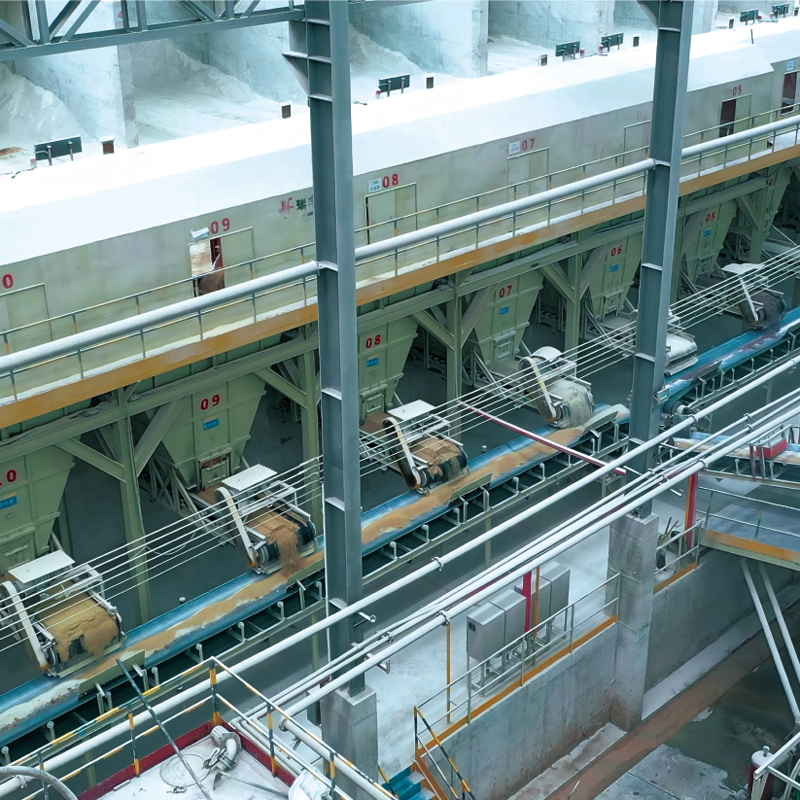
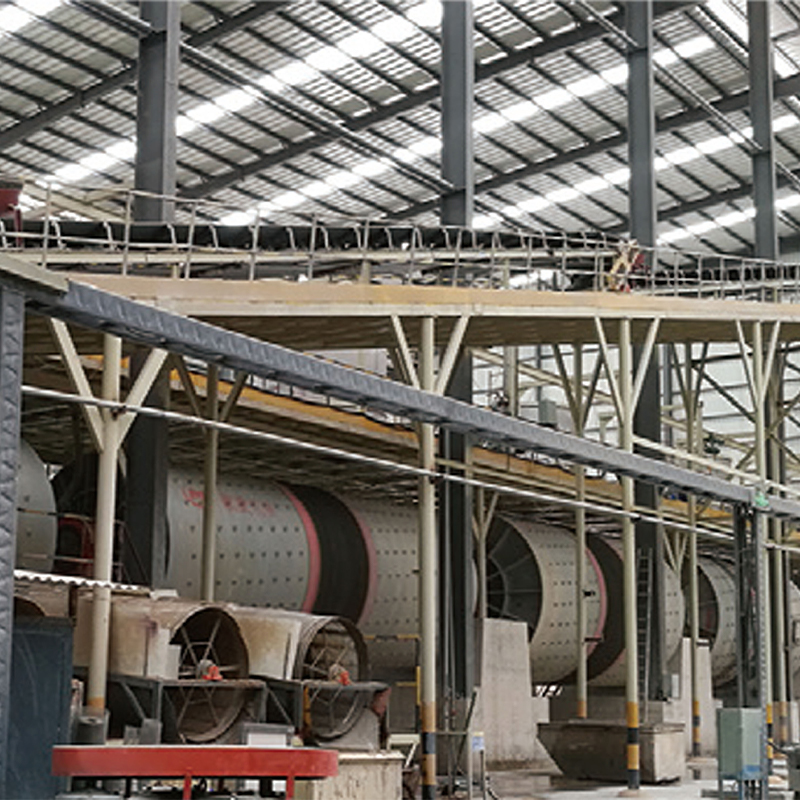
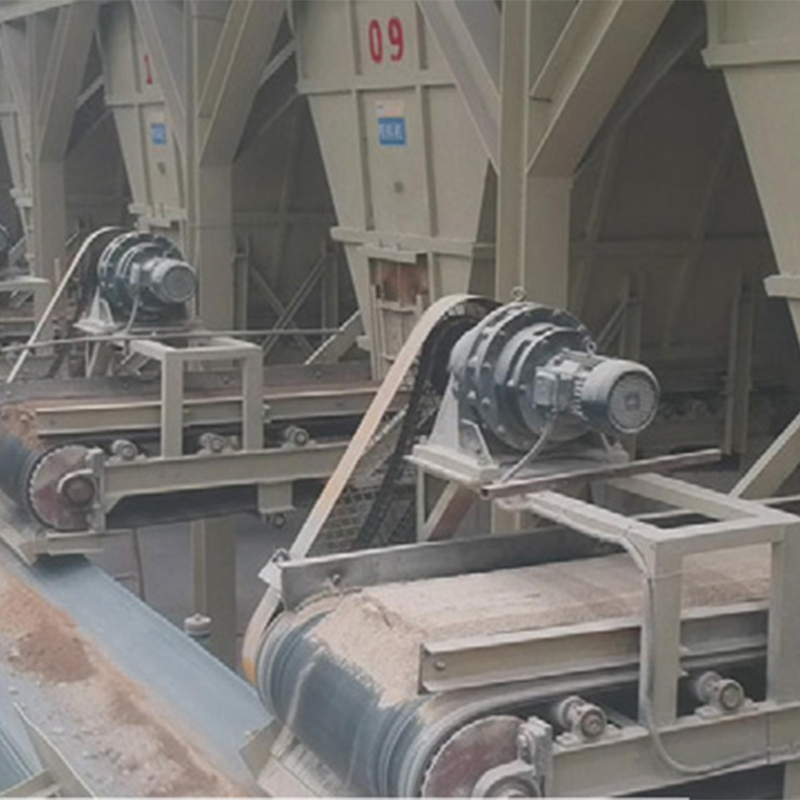
Intelligent Raw Material Batching System by China Suppliers for Efficient Production in Factories
product video
Product display
Product Introduction
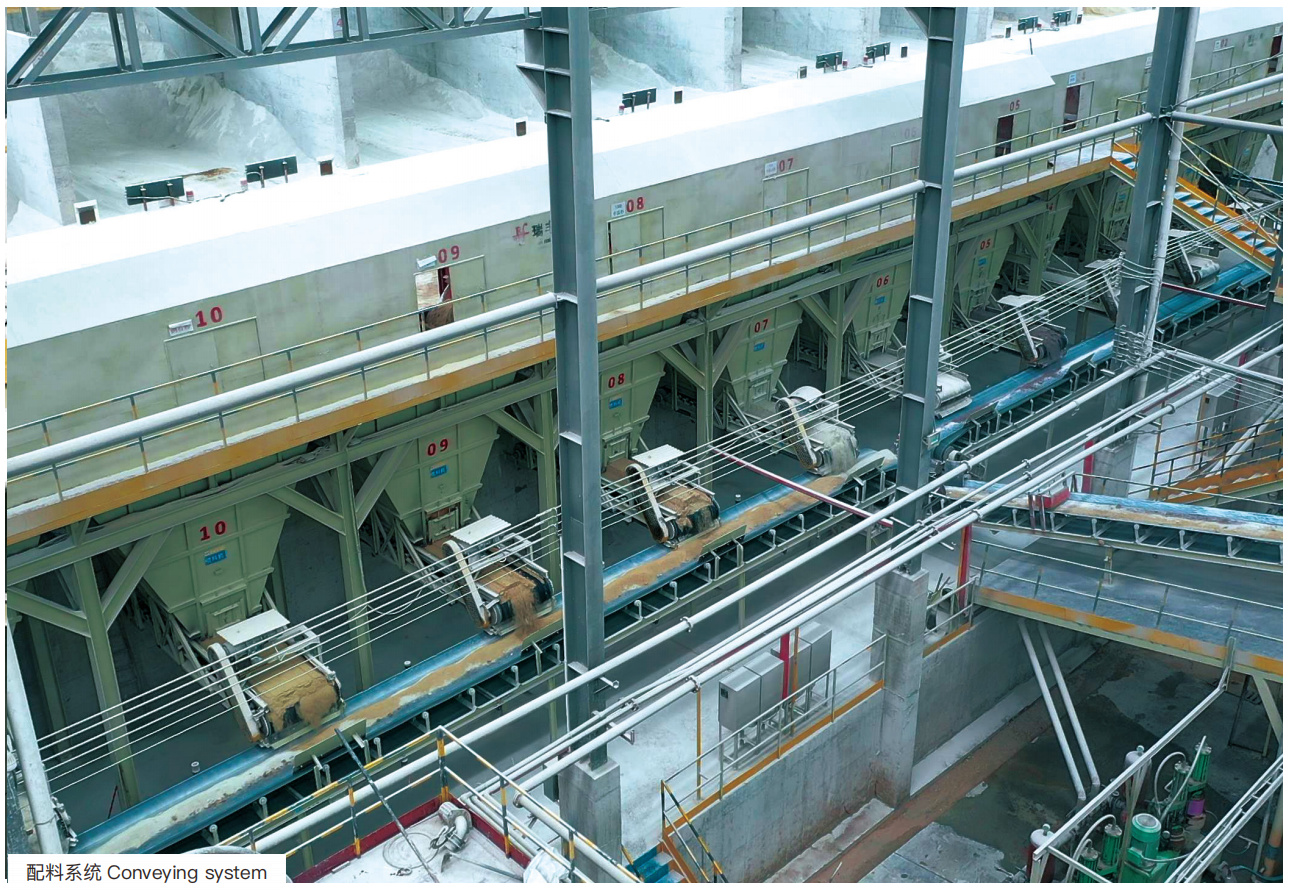
Intelligent batching system includes ridge batching system and plastic batching system:
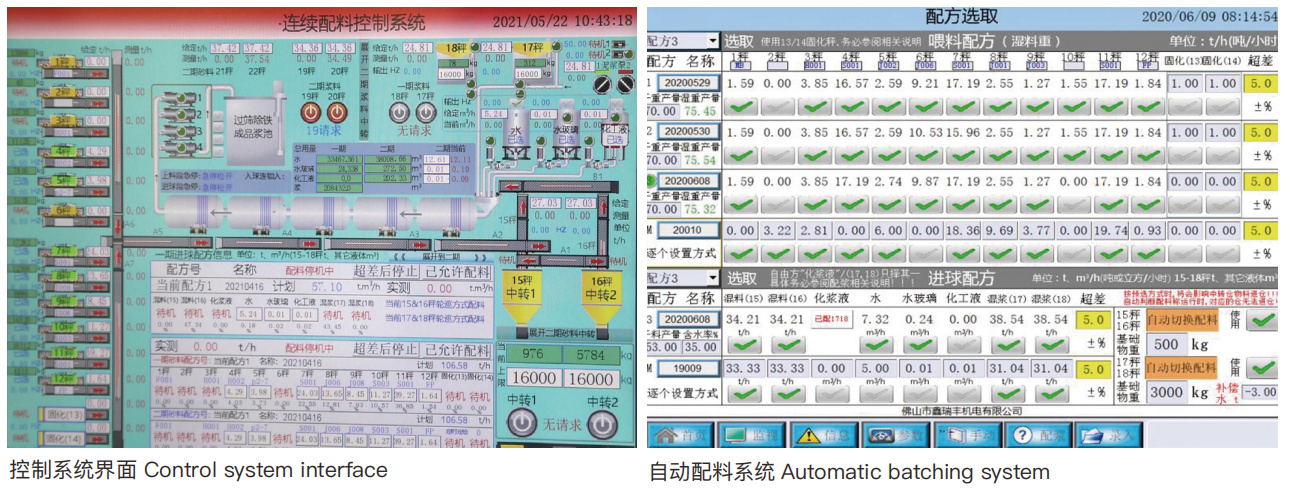
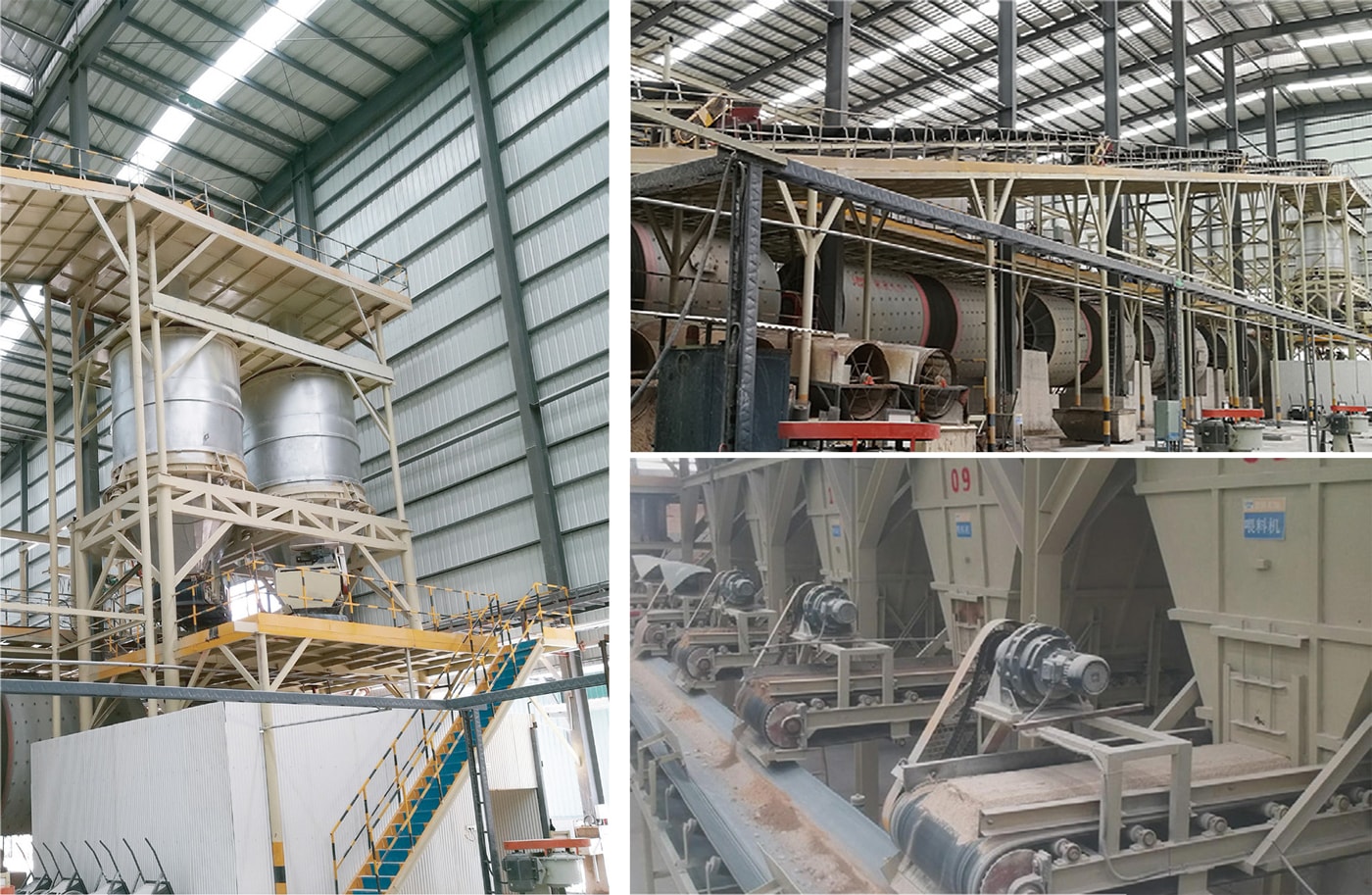
1. Ridge material batching system: Composed of multiple feeding units, which are uniformly intelligent controlled by the control system; The feed machine is equipped with sensors, which can feed back the weight of the raw material in the feed machine to the control system, which controls the supply by controlling the speed of the conveyor belt of the feed machine; The feeding machine is loaded with different raw materials, which can be controlled by the central control system with simple one-key. As long as the formula is input in the control terminal, the system can automatically control the amount of each raw material according to the input data; A variety of formulas can be stored in the control system. When the formula needs to be changed, it can be quickly mixed according to the new formula by simple operation in the control terminal.
2. Plastic material batching system: The slurry of the slurry pool is transported to the slurry transfer cylinder in front of the continuous ball through the slurry pump, and then transported to the continuous ball mill by the quantitative pump according to the process requirements.
Main technical parameters
| 4.Comparison of energy consumption among three ball milling methods | |||
| Parameter | 60T Intermittent ball mill process | Semi-continuous ball milling process | Fullcontinuous ball milling process |
|---|---|---|---|
| Power consumption | 34.55 kW.h | 29.17 kW.h | 25.06 KW.h |
| Power saving rate% | - | (34.55-28.87)/34.55=15.57% | (34.55-25.06)/34.55=27.5% |
Frequently Asked Questions
Q1: What components make up the Intelligent Batching System?
The intelligent batching system consists of two primary parts: the ridge material batching system and the plastic material batching system, which work together under central control to automate raw material mixing.
Q2: How does the ridge material batching system control the supply of raw materials?
Each feeding machine is equipped with weight sensors. These sensors feed data back to the central control system, which dynamically adjusts the conveyor belt speed of the feeding machine to regulate raw material output.
Q3: Can the system store and switch between different formulas?
Yes, the central control system can store multiple formulas. Operators can quickly switch formulas and automatically adjust the raw material mixing ratios through a simple operation on the control terminal.
Q4: How is the slurry transported in the plastic material batching system?
Slurry from the pool is first pumped to a transfer cylinder located in front of the continuous ball. From there, a quantitative pump delivers the slurry to the continuous ball mill according to the exact process requirements.
Q5: Which ball milling method is the most energy-efficient according to the technical data?
The full-continuous ball milling process is the most energy-efficient, with a power consumption of 25.06 kW.h and a power saving rate of 27.5% compared to the intermittent ball mill process.