


Beneficiation Technology and Equipment Application of Limonite

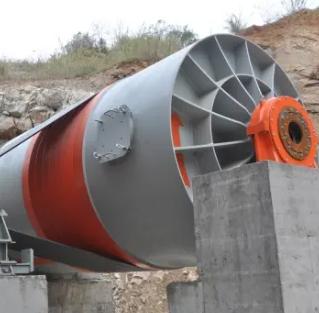

After the fine materials are classified by the spiral classifier, the mixed ore is fed into a magnetic separator, which separates magnetic substances through magnetic and mechanical forces by virtue of the difference in specific magnetic susceptibility. After preliminary magnetic separation, the mineral particles can be sent to a flotation machine for further separation. The qualified ore pulp is transferred to a mixing tank and fully stirred with reagents, then subjected to high-energy flotation in the flotation machine to obtain high-grade iron concentrate pulp. For subsequent treatment, if the grade of the iron concentrate pulp obtained by flotation fails to meet the standard, a secondary flotation cleaning can be conducted.
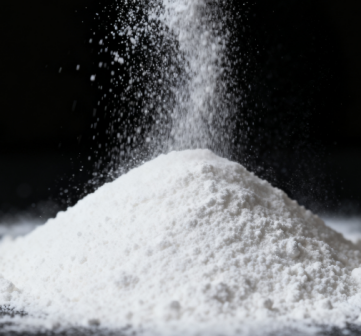
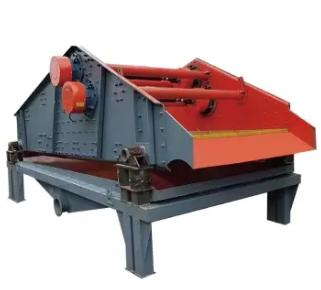
The flotation machine is also used for the secondary flotation cleaning, and it is necessary to adjust the reagent dosage and flotation parameters. The separated products (concentrate and tailings) contain a large amount of water and need to undergo multi-stage dehydration and drying treatment. In the concentration stage, a thickener is used for high-efficiency concentration and sedimentation to remove most of the free water. In the filtration stage, appropriate filtration equipment, such as the TS series dewatering screen, is selected according to the material properties. In the drying stage, a dryer is used to complete the final dehydration, resulting in dry iron concentrate powder that meets the requirements for storage and smelting[5].
For tailings with high residual iron grade, secondary separation can be performed to recover some iron minerals, thereby improving resource utilization efficiency. Tailings that cannot be recovered must meet the environmental protection discharge standards and can be used for filling mining areas, manufacturing building materials, etc., realizing the resource utilization of tailings and reducing environmental pressure.
For complex or low-grade limonite resources, the mainstream combined processes include gravity-magnetic separation, magnetic-flotation separation, and calcination-magnetic separation[4].
Conclusion
The beneficiation of limonite requires formulating differentiated schemes based on ore grade and properties. The pretreatment is centered on crushing, grinding, and ore washing & desliming to ensure that the materials meet the separation requirements. The core separation processes mainly include gravity separation, high-intensity magnetic separation, flotation, and combined processes. Among them, gravity separation is preferred for ores with coarse-grained dissemination, flotation is suitable for fine-grained ores, and combined processes such as calcination-magnetic separation are recommended for low-grade refractory ores. The entire process needs to focus on the optimization of process parameters and quality monitoring, while strengthening the resource utilization of tailings[3].
Prospect
The core development direction of beneficiation technology in the future will focus on efficient resource utilization and green development. It will prioritize breaking through the separation technology of low-grade and complex associated limonite resources, promote the research, development and application of intelligent and large-scale equipment, improve the comprehensive utilization system of tailings, and realize the high-quality development of the limonite beneficiation industry[1].