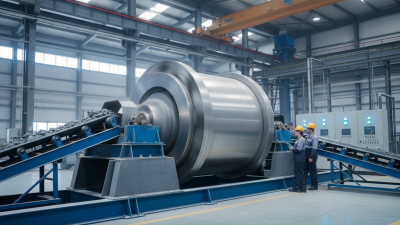
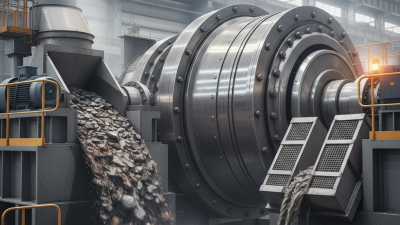
Discover the Benefits of Semi-Continuous Grinding Ball Mill?
The Semi-Continuous Grinding Ball Mill represents a significant innovation in the milling industry. According to Dr. Emily Hartman, a leading expert in grinding technology, “This system optimizes production efficiency and minimizes waste.” Her insights highlight the key advantages of this grinding mill design.
Traditionally, grinding processes can be time-consuming and resource-intensive. However, the Semi-Continuous Grinding Ball Mill provides a solution that streamlines operations. It allows for both continuous and batch processing. This flexibility can enhance output while maintaining high-quality results. Users often report improved energy consumption and reduced downtime.
While the benefits are evident, some challenges exist. Implementing this technology may require initial investment and technical adjustments. Manufacturers must weigh these factors carefully. Nonetheless, the potential for increased productivity makes the Semi-Continuous Grinding Ball Mill an attractive option for many industries. Dr. Hartman's observations add credibility to the growing interest in this innovative milling approach.
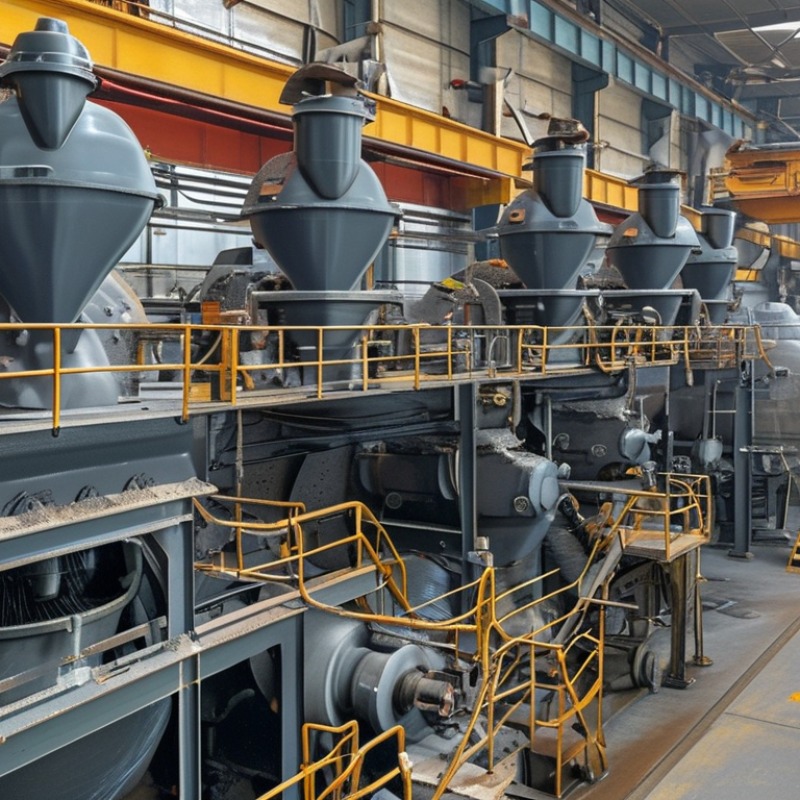
Overview of Semi-Continuous Grinding Ball Mill Technology
The semi-continuous grinding ball mill technology represents an innovative approach in material processing. This method allows for a continuous feed of materials while enabling periodic discharge of ground product. It merges the advantages of batch processing with the efficiency of continuous systems. This can lead to improved output and consistency in product quality across various industries.
In applications such as metal processing or mineral grinding, the semi-continuous method provides enhanced control over particle size and distribution. Operators can adjust parameters on the fly, tailoring the grinding process to specific needs. This flexibility, however, requires a skilled operator who understands the intricacies of the system. Without proper oversight, variations in material properties can lead to inconsistent results.
Despite its advantages, this technology isn't without challenges. Maintaining optimal conditions for grinding can be complex. Fluctuating feed rates or unexpected material variations can disrupt smooth operation. Operators often face the need for ongoing adjustments and monitoring. Embracing this technology means recognizing the balance between its benefits and the potential for operational difficulties.
Discover the Benefits of Semi-Continuous Grinding Ball Mill
| Feature |
Description |
Benefits |
Applications |
| Flexible Operation |
Allows for varying grinding parameters. |
Increased efficiency and adaptability to different materials. |
Mineral processing, cement production. |
| Continuous Feed |
Enables uninterrupted grinding with a steady input supply. |
Reduces downtime and increases throughput. |
Chemical industry, food processing. |
| Energy Efficiency |
Utilizes advanced technology to lower energy consumption. |
Cost savings on energy bills and reduced environmental impact. |
Mining, recycling industries. |
| Quality Control |
Provides consistent particle size distribution. |
Enhances product quality and customer satisfaction. |
Pharmaceuticals, materials science. |
Key Advantages of Semi-Continuous Grinding Ball Mills
Semi-continuous grinding ball mills offer distinct advantages for various industries. These mills effectively combine the benefits of continuous and batch grinding. According to industry reports, these mills can improve energy efficiency by up to 30%. This allows for more significant cost savings over time, which is essential in today’s competitive market.
One of the key benefits is the flexibility they provide. Semi-continuous grinding allows operators to adjust production rates based on demand. Adjustments can be made while maintaining consistent product quality. This adaptability helps businesses respond swiftly to changing market demands. Additionally, maintenance downtime is reduced. Studies show that these mills require less frequent servicing compared to traditional grinding systems, enhancing overall productivity.
Another advantage lies in their capability to manage a variety of materials. From ores to construction materials, semi-continuous grinding bar mills can handle diverse products. This versatility may not eliminate some challenges, such as varying feed sizes, but overall, it facilitates a more streamlined process. Industry surveys indicate that this type of mill can optimize material processing, leading to better recovery rates. Operators should regularly analyze performance data to identify areas for improvement.
Comparison with Traditional Grinding Methods
In the realm of material processing, semi-continuous grinding ball mills have gained attention. This technology stands out when compared to traditional grinding methods. Traditional mills often operate batch-wise, leading to inefficiencies associated with downtime. A recent study by the International Journal of Mineral Processing noted that semi-continuous systems can boost output by up to 30%. This is significant for industries reliant on consistent material quality.
Semi-continuous mills provide finer particle size distributions. The Particle Size Distribution (PSD) achieved is often within 10% of the target, while traditional methods can vary by more than 20%. Such precision enhances downstream processing. However, the initial investment for semi-continuous systems can be higher. This raises questions about short-term returns versus long-term advantages.
Maintenance requirements also differ. Traditional grinding methods may require frequent interruptions for cleaning and adjustments. In contrast, semi-continuous systems can operate for longer periods. Yet, operators must remain alert to ensure optimal performance. Training staff on system intricacies can mitigate potential issues. Balancing cost, efficiency, and training can lead to better outcomes. This duality highlights a critical reflection point for industries considering the upgrade.
Applications of Semi-Continuous Grinding in Various Industries
The semi-continuous grinding ball mill has made significant impacts across various industries. This grinding method is versatile, offering efficiency in mineral processing, cement production, and chemical manufacturing. A recent report from the International Journal of Mineral Processing highlighted that semi-continuous mills can improve energy efficiency by 20% compared to traditional batch mills. This efficiency translates into reduced operational costs and enhanced productivity in facilities.
In the cement industry, for example, these mills help achieve finer particle sizes. Reports indicate that finer grinding can lead to improved properties of the end product, such as increased strength and durability. On the front of chemical manufacturing, semi-continuous grinding can facilitate better particle uniformity, which is essential in ensuring consistent product quality. The ability to run continuously helps in maintaining a steady supply of raw materials, minimizing downtime.
Consider this when implementing semi-continuous grinding in your operation. Assess your current processes and pinpoint inefficiencies. Explore the possibility of integrating advanced control systems to optimize conditions further. Investing in staff training can also yield substantial returns. Enhanced understanding of the technology can lead to reduced waste and improved product quality.
Maintenance and Operational Considerations for Semi-Continuous Mills
Maintenance and operational considerations are crucial for semi-continuous grinding ball mills. Regular maintenance extends equipment life. It ensures quality performance in material processing. Expert reports indicate that proper upkeep can reduce downtime by up to 25%. Checking wear on liners and replacing grinding media should be routine. Small delays can compound and lead to larger issues.
Operational practices are equally important. Many operators overlook process adjustments, which can result in inefficiencies. Data shows that even minor tweaks in feed rates can improve energy consumption by as much as 15%. Operators often underestimate the impact of temperature on material properties. A calibrated temperature control system can enhance the grinding process.
Moreover, training staff plays a vital role. Knowledgeable operators can better identify mechanical issues early. Industry studies emphasize that workshops can improve skill sets by 30%. By fostering a culture of continuous learning, companies can mitigate risks associated with operational lapses. Balancing maintenance and skilled operation is key to optimizing performance in semi-continuous mills.