


0102030405


High-Efficiency Dewatering Screen for Mineral Processing - China Suppliers & Factory
Product Features
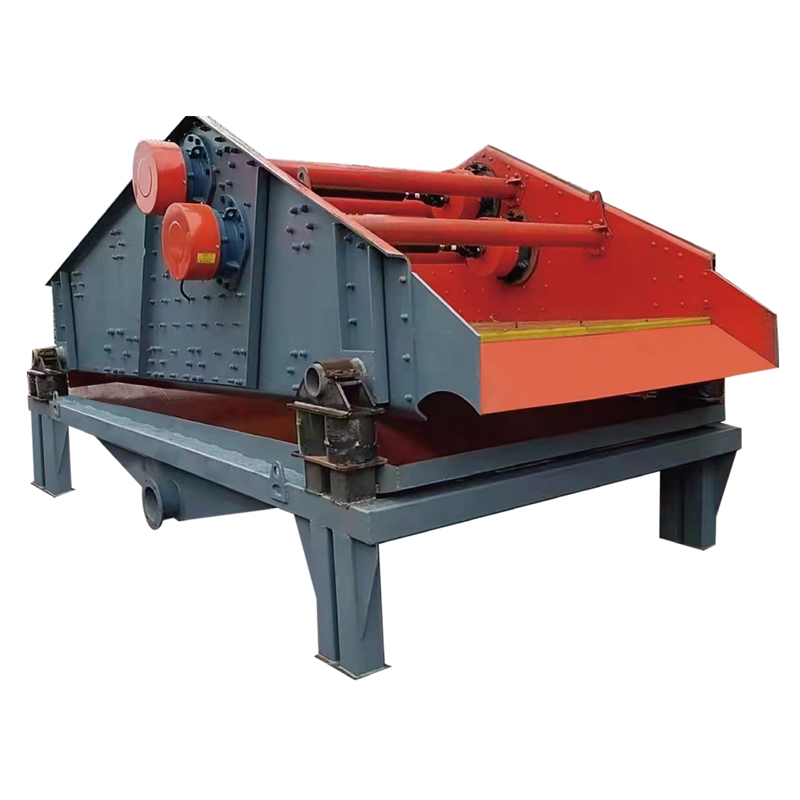
The screen material is made of polymer polyurethane (UHMW-PE), which is resistant to impact, low temperature, wear and chemical corrosion.
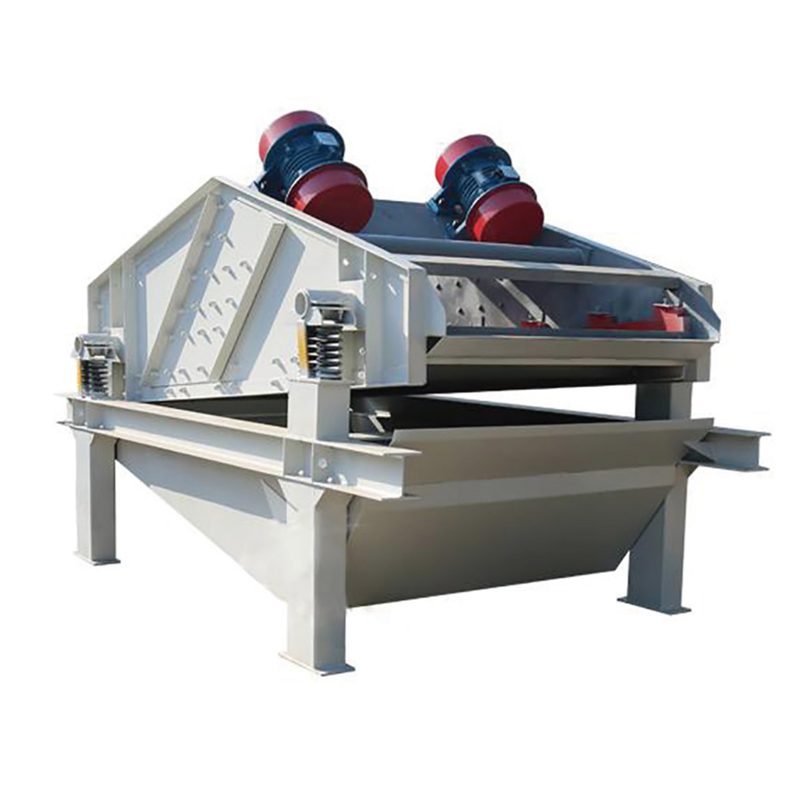
Vibration motor is easy to replace. Rubber spring of base is used for shock absorption, so that its amplitude is small. Slow vibration, the material can be removed cleanly.
Can be customized according to output and water content. Side plate of the body has a reinforcing plate, equipped bar in the bottom, and outlet is supported by triangular steel plate, which is thick.
Vibration motor is fixed with high-strength bolts. Bottom affects the life of vibration motor. Sieve plate has a high fixed density and stiffness in it.
Screen structure (preparation, punching, seam), mesh size, processing capacity, material granularity.
Main Technical Parameters
| Model | Screen Area (m²) |
Power (kW) |
Capacity (m³/h) |
Feed Particle Size (mm) |
Weight (t) |
Dimension (mm) |
|---|---|---|---|---|---|---|
| SYTS-0820 | 1.5 | 0.75×2 | 5-10 | 10 | 0.8 | 2300x1000x750 |
| SYTS-0920 | 1.8 | 1.1x2 | 10-20 | 10 | 1.2 | 2300x1200x750 |
| SYTS-1020 | 2.0 | 1.5x2 | 20-30 | 10 | 1.6 | 2300x1300x750 |
| SYTS-1225 | 3.0 | 2.2×2 | 50-80 | 10 | 2.1 | 2300x1500x750 |
| SYTS-1530 | 4.5 | 3.0x2 | 100-120 | 10 | 3.2 | 2300x1800x750 |
Frequently Asked Questions (FAQ)
1. What material is used for the screen and what are its advantages?
The screen is made of high-quality polymer polyurethane (UHMW-PE). This material provides outstanding resistance to impact, low temperatures, wear, and chemical corrosion, ensuring a longer service life.
2. How is shock absorption handled in this equipment?
The base of the machine is equipped with a rubber spring designed for shock absorption. This reduces the amplitude of the vibrations and allows for a slow, controlled vibration that removes materials cleanly.
3. Can the machine parameters be customized?
Yes, the equipment structure, side plates, bottom bars, and triangular steel plate supports can be customized based on your specific output requirements and material water content.
4. How is the vibration motor secured for durability?
The vibration motor is firmly fixed using high-strength bolts. Additionally, the sieve plate features a high fixed density and built-in stiffeners to protect and extend the life of the vibration motor.
5. What screen structures and mesh configurations are available?
The equipment supports various configurations including preparation, punching, and seam structures, which can be optimized based on your target mesh size, processing capacity, and material granularity.
6. What is the maximum processing capacity of these models?
Depending on the model selection, the processing capacity ranges from 5-10 m³/h (for model SYTS-0820) up to 100-120 m³/h (for model SYTS-1530) with a standard feed particle size of 10mm.