


Continuous Ball Mill for Ore Processing - High-Efficiency Solution from China Suppliers and Factory

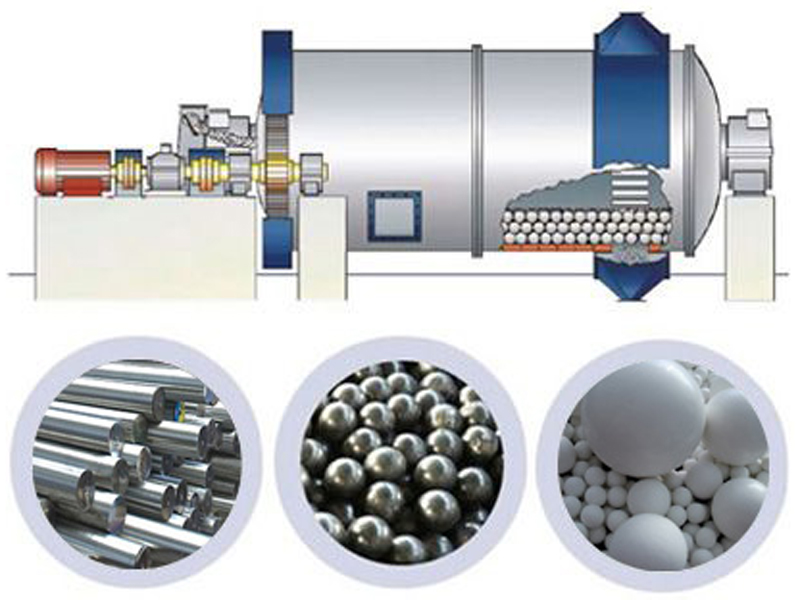
Ball Mill Accessories: Steel Balls & Liners
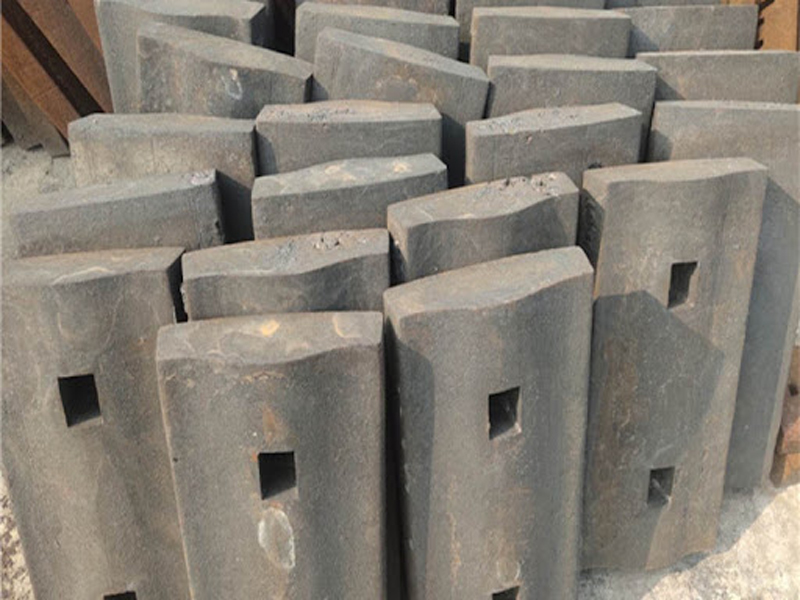
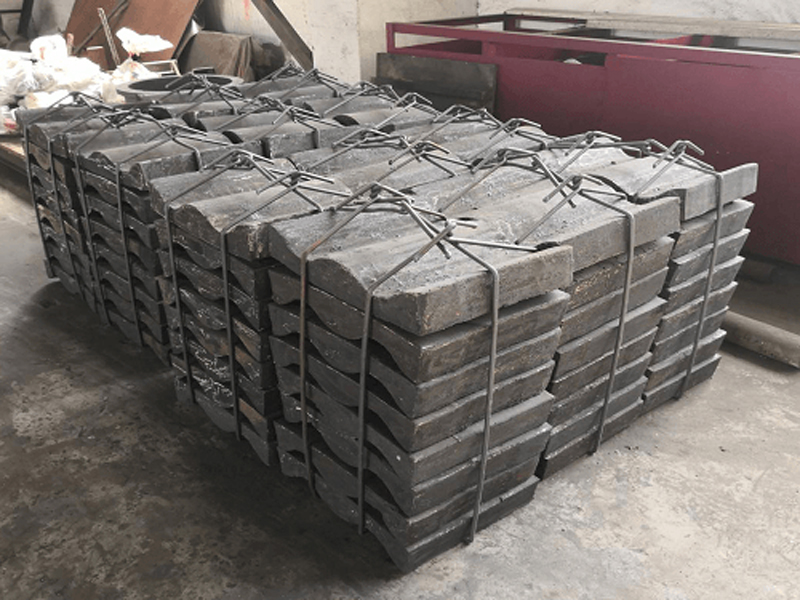
Steel balls and lining plates play a critical role in the efficient operation of a ball mill. Our high-quality steel balls are made from premium alloy steel and undergo strict heat treatment processes to ensure excellent wear resistance and impact toughness. They deliver consistent, high-efficiency grinding performance under continuous rotation.
The wear-resistant lining plates are crafted from high-manganese or high-chromium steel, effectively preventing direct abrasion between raw materials and the mill shell. This extends the service life of the equipment and reduces maintenance costs. Both components are precisely manufactured to ensure uniform size, stable hardness, and compatibility with a wide range of milling requirements.
Whether in ore processing, cement production, or industries like metallurgy and chemical engineering, reliable steel balls and liners are essential for stable operation, reduced energy consumption, and increased overall productivity. Our accessories are available in standard models and can also be customized in size, material, or structure to suit specific working conditions and production needs.
Choosing our ball mill accessories means investing in long-lasting durability, consistent performance, and optimized cost-efficiency. We are committed to delivering dependable components that keep your equipment running at peak efficiency, even under demanding, high-load conditions.

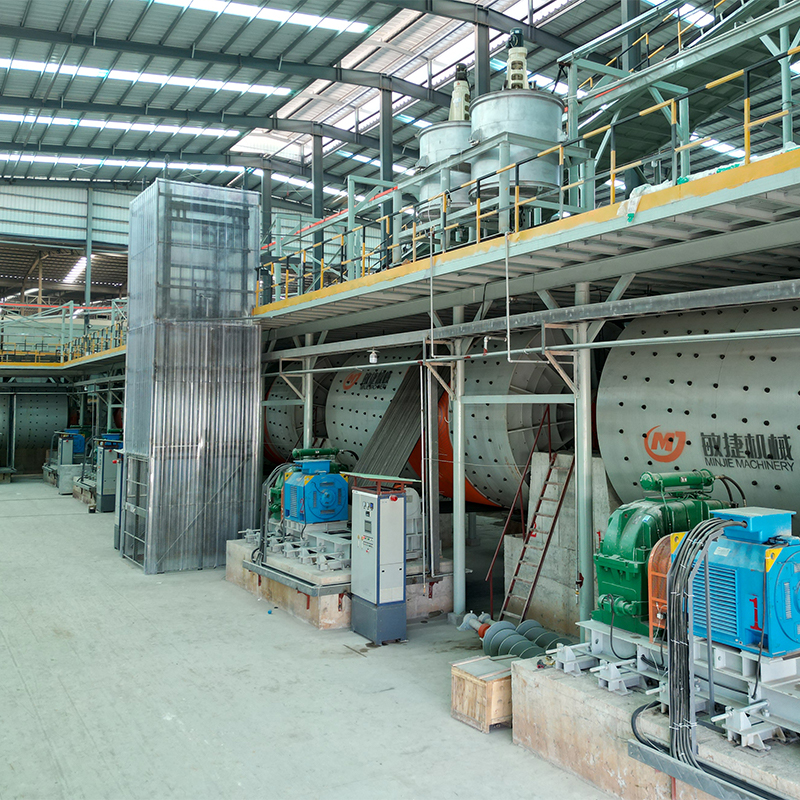
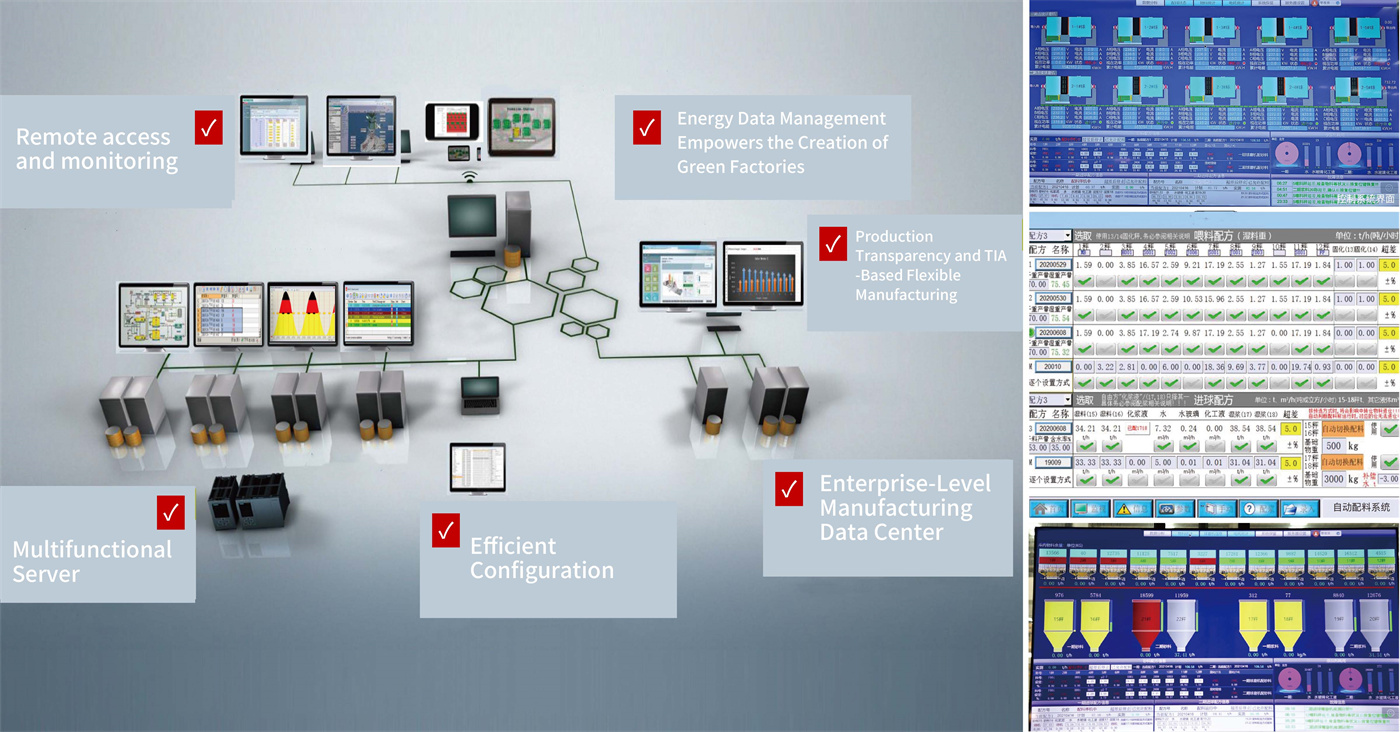
The Raw Material System integrates web-based report publishing, remote monitoring and control, energy management, and production KPI tracking, enabling full digitalization of the raw material production process.
Real-time data visualization and automatic report distribution ensure faster decision-making and improved operational transparency. With remote monitoring and control, users can track equipment status and key process parameters anytime, anywhere—enhancing efficiency while reducing manual intervention.
The built-in energy management module provides accurate consumption data across each production stage, supporting cost reduction and sustainable operations. At the same time, the KPI dashboard gives a clear view of key metrics such as output, efficiency, and downtime, helping optimize production performance.
Powered by intelligent algorithms and automated control logic, this system lays the foundation for fully intelligent raw material production—driving smart manufacturing and digital transformation across the enterprise.
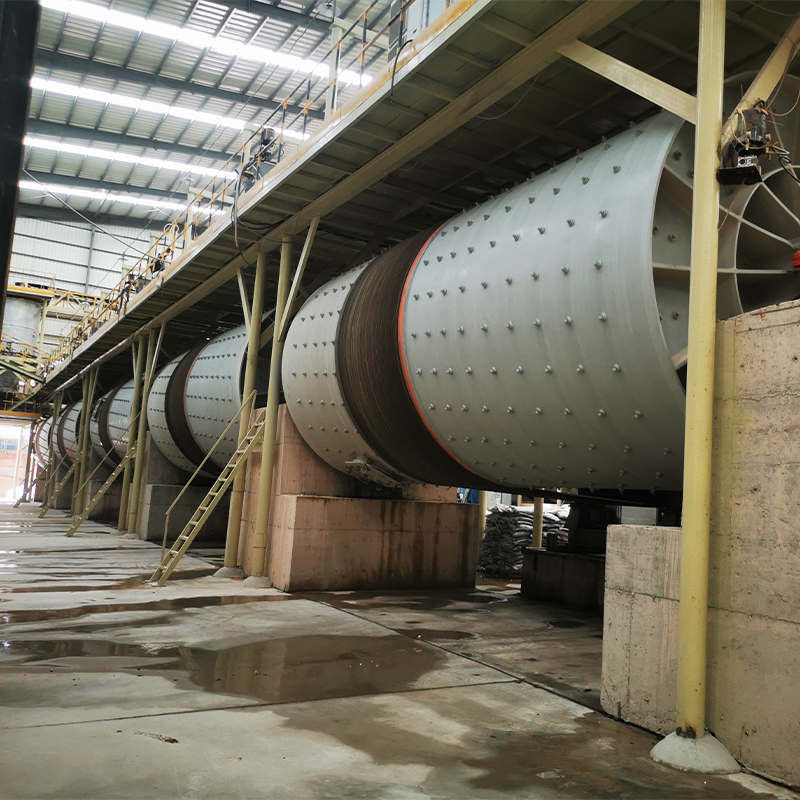
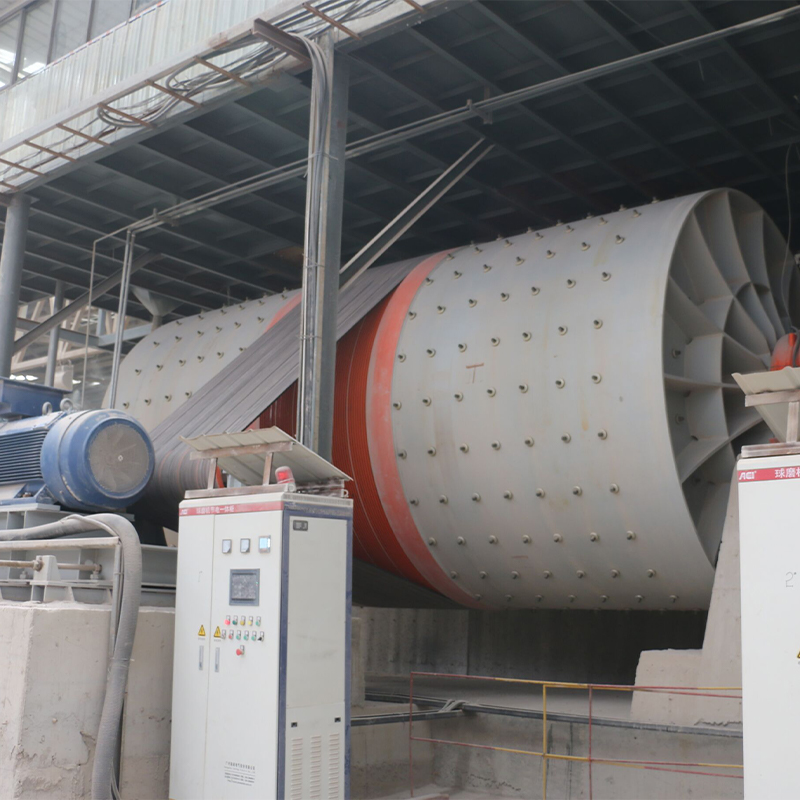
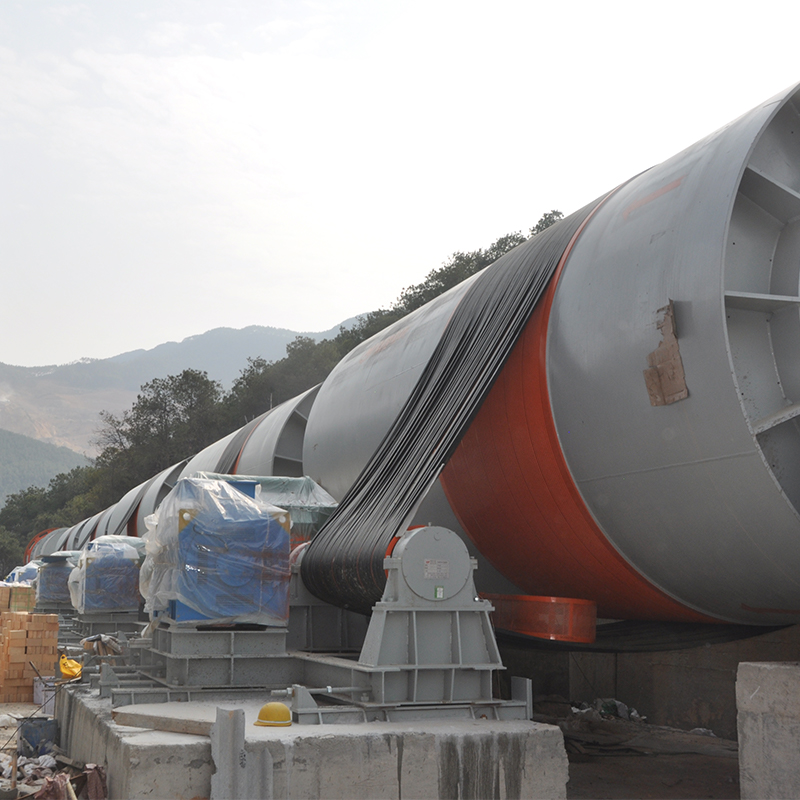
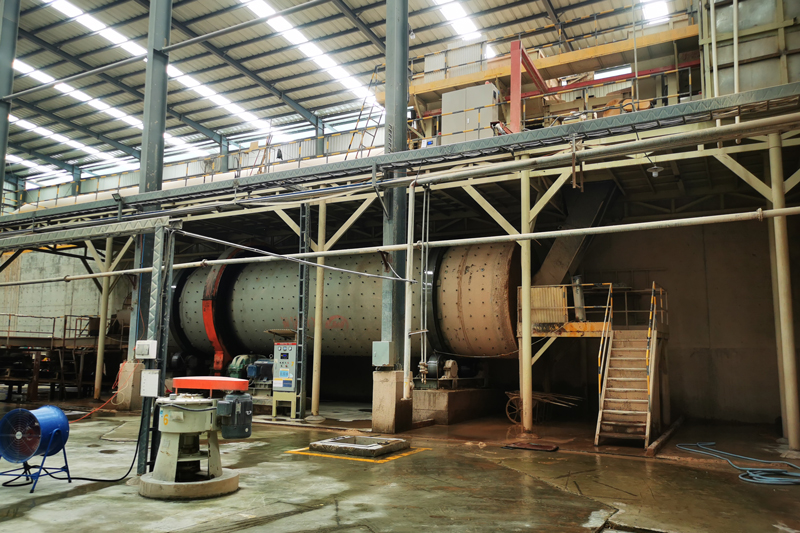
Full continuous ball mill process plan: The granular material and clay material are pre processed separately before entering the continuous ball mill.
The appraisal technology has reached the international advanced level
Rotary pipe fluid overseal technology has reached the international leading level
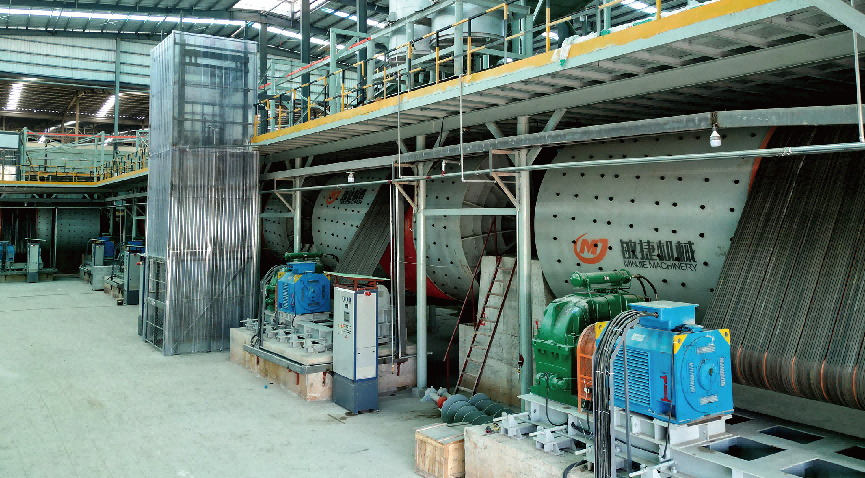
Raw material particles 10-20mm, finished stock fineness 250 mesh screen size 0.8-1.0
| 1. power consumption per ton of powder | ||
| Intermittent ball mill | Intermittent ball mill | |
| Power consumption per mill | 160kW | 280kW |
| Average operating current | 210A | 300A |
| Filling amount of raw materials | 48t | 68t |
| Ball milling time | Medium-high alumina nodules/pot | Medium-high alumina nodules |
| Power consumption per mill | 210Ax380Vx1.732×0.85x15h/1000=1762.2 kW.h | 300Ax380Vx1.732x0.85x14h/1000=2349.6 kW.h |
| Power consumption | 1762.2Kwh/48T=36.71 kW.h/t | 2349.6Kwh/68T=34.55 kW.h/t |
| 2. The intermittent ball mill combined with the three-piece continuous ball mill is a semi-continuous system of power consumption per ton of powder | ||
| Intermittent ball mill | Continuous ball mill | |
| power | 280kW | 355KWx3=1065kW |
| Average operating current | 320A | 280A |
| Filling amount of raw materials | 68t | 45t/h |
| Milling time | 7h/ pot | Continuous operation |
| Power consumption per mill | 320Ax380Vx1.732x0.85x7h/1000=1253.1kW.h/t | 280Ax380Vx1.732x0.85x3/1000=469.9 kW.h |
| Power consumption | 1253.1Kw.h/68T=18.43 kW.h/t | 469.9Kwh/45T=10.44kW.h/t |
| amount to | 18.43+10.43+0.3=29.17 kW.h/t Plunger pump | |
| 3. Full continuous ball mill power consumption per ton of powder including crushing and slurry | ||
| device | D G1400 :20mm - 3mm | 1.85 kW.h/t |
| Single continuous ball mill slurry | 162Ax380V×1.732x0.85/50/1000=1.81 kW.h/t | |
| Six continuous ball mill | 455Ax380Vx1.732×0.85x6/65T/1000=23.49 kW.h | |
| Plunger pump power consumption | 0.3 kW.h/t | |
| Calculate unit ton consumption based on barren material:plastic material=7:3 | 1.85×0.5+1.81×0.3+23.29+0.1=25.06 kW.h/t | |
| 4. Comparison of energy consumption among three ball milling methods | |||
| 60T Intermittent ball mill process | Semi-continuous ball milling process | Full continuous ball milling process | |
| Power consumption | 34.55 kW.h | 29.17 kW.h | 25.06 KW.h |
| Power saving rate% | (34.55-28.87)/34.55=15.57% | (34.55-25.06)/34.55=27.5% | |
Our high-quality steel balls are made from premium alloy steel with strict heat treatment processes. The wear-resistant lining plates are crafted from high-manganese or high-chromium steel to prevent direct abrasion and extend equipment life.
The system integrates web-based report publishing, remote monitoring, energy management, and production KPI tracking. It allows real-time data visualization and automatic report distribution to enhance operational transparency and efficiency.
Granular and clay materials are pre-processed separately. Raw materials are crushed to 3mm, stored, mixed through a drum screen, and then continuously supplied to the ball mill based on production output.
According to comparative tests, the full continuous ball milling process achieves a power saving rate of 27.5% compared to the traditional 60T intermittent ball mill process, dropping power consumption to 25.06 kW.h/t.
Yes. While our accessories are available in standard models, they can be customized in size, material, and structure to meet specific working conditions and production requirements.